

If you want your drone to fly right and last long, you’ve got to know how to charge and care for its battery. It’s not just a nice-to-know; in fact, it makes all the difference. Here’s the lowdown on keeping your battery in good shape and your drone flying smooth.
1. Know Your Battery Type
The foundation of great performance starts with recognizing the type of drones battery you’re working with- whether it’s Lithium‑ion (Li‑Ion), Lithium‑polymer (LiPo), or even emerging solid‑state types. Each has unique charging habits:
- LiPo packs deliver surprising energy density but require consistently balanced charging and meticulous storage.
- Li‑Ion cells tend to be more forgiving and stable, though still greatly benefit from recommended charging protocols.
- Solid‑state models (an advanced type) promise even safer performance, though they’re still fairly new to many users.
2. Use the Right Charger
Never wing it with any power source. Always choose a charger that matches your drone battery voltage, balanced‑charge needs, and chemistry. A charger that’s off even slightly can reduce flight time, degrade battery life, or worse, pose safety risks.
3. Optimal Charging Habits
Charge at moderate pace. Though fast chargers are tempting, slower, controlled charging preserves cells better over time.
- Avoid charging right after hot flights. Let things cool down—charging warm cells can accelerate wear.
- Never overcharge. Stopping at 100 % or slightly below helps keep the balance intact.
4. Smart Storage
“How should I store my drone batteries?” Great question. Keep your battery charged between 40–60% when you’re not using it. Store it somewhere cool and dry—think 15–25°C (60–77°F). Stay away from heat or freezing temps. If your drone’s taking a break, run the battery down a bit, then top it off to that safe zone. It really helps it last way longer.
5. Calendar Your Maintenance
Keeping track of usage matters. Every 20–30 flights, consider doing:
- A full discharge‑and‑recharge cycle (a gentle “reset”).
- A capacity check: Does it still deliver peak voltage and flight time?
Visual inspection: Look for swelling, leaks, or any discoloration. If you spot anything odd, retire that drones battery immediately.
6. Storage Safety Is Key
Even inactive drone batteries deserve care. Stay cool, store them in fire‑safe containers, and check them every few weeks. Damage, even from nearby heat or humidity, can turn into a big headache fast.
7. Balance Charging Matters
If your charger supports balancing (ideal for LiPo and some Li‑Ion packs), always use it. Balanced charging ensures all the cells in your pack stay even, which boosts both safety and performance over time.
8. Rotation and Retirement Strategy
Rotate between at least two battery packs so neither gets overworked. Over time, every drone battery shows wear—keep an eye on how long they hold a charge compared to new ones. When capacity drops significantly, it’s replacement time.
9. Watch Flight Performance
If you notice shorter flight times or voltage dropping earlier than usual, don’t ignore it. Run a quick health check with your controller or a multimeter—and if it doesn’t bounce back after a proper charge, it might be due for retirement.
10. Kindness = Longevity
Drone batteries aren’t needy. Just give them the right charger, keep them somewhere cool, charge them evenly, and check on them now and then. Treat them right, and they’ll last longer, fly safer, and stay out of trouble.
Safe Charging Practices Every Drone Pilot Should Know
Drone battery safety starts with disciplined charging habits
Strong performance begins with safe charging. Drone battery safety depends on using the correct charger that matches voltage and chemistry. Avoid charging immediately after landing, especially if the pack feels warm. Let it cool to room temperature before plugging it in. Always charge on a stable, non-flammable surface and never leave batteries unattended for long periods. Overcharging or using fast-charge modes repeatedly can stress internal cells. A steady, controlled charging cycle preserves capacity and reduces long-term degradation.
How to Inspect and Care for Drone Batteries Effectively
Routine checks prevent unexpected failures. A simple battery inspection checklist should include:
- Checking for swelling or puffing
- Inspecting wires and connectors for damage
- Looking for leaks or unusual odor
- Monitoring flight time consistency
- Verifying balanced cell voltage
If performance drops significantly or physical damage appears, retire the battery immediately. Clean connectors gently and store packs safely between flights. Following a structured battery inspection checklist keeps operations predictable and safe.
Storage Best Practices to Extend Battery Lifespan
Knowing how to store drone batteries properly makes a major difference in lifespan. For long breaks between flights, keep charge levels between 40% and 60%. Store batteries in a cool, dry location ideally between 15°C and 25°C. Avoid direct sunlight, humidity, or freezing temperatures. Use fire-resistant storage bags or containers for added protection.
Understanding how to store drone batteries correctly protects internal cells from stress and extends usable cycles. With the right habits, drone battery safety becomes part of everyday flying discipline.
Why You Should Care
When you get the hang of charging and upkeep, your drone stays steady, safe, and always good to go, whether it’s for a job or a sudden idea you want to chase. That kind of peace? Can’t put a price on it.
Bringing In the Brand: mPower Batteries
Power is everything in drone work—and that’s what mPower brings.
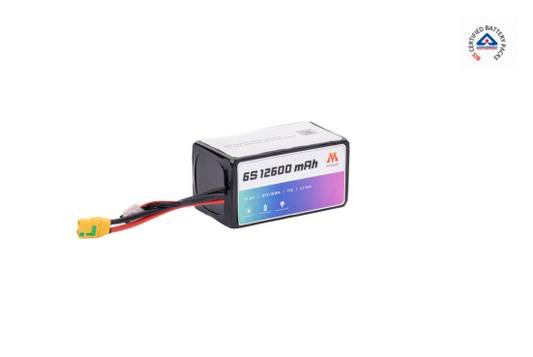
We build batteries just for drones. They're BIS-certified, which means they meet tough safety rules, especially important with how fast drones are growing in India.
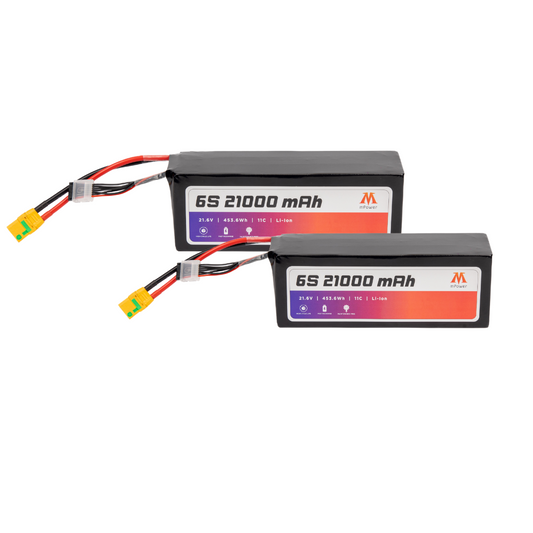
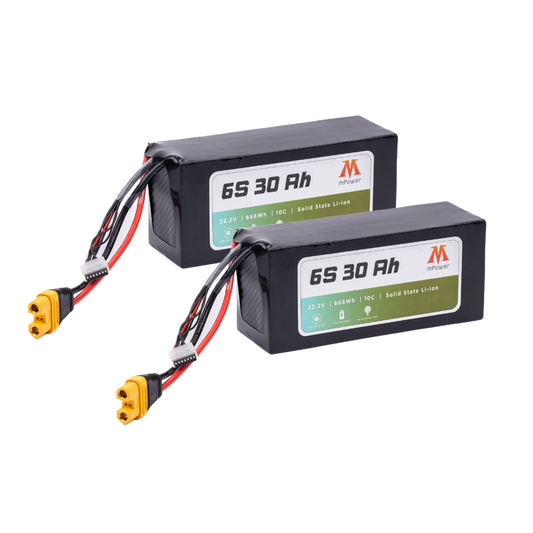
Whether your drone’s spraying crops, running deliveries, or doing surveys, we’ve got the right battery for the job, lithium-ion or solid-state, built to handle whatever you throw at it.
What Sets mPower Batteries Apart
Our batteries are smaller, lighter, and pack more punch. They’re up to 40% smaller, 16% lighter, and help your drone fly longer, carry more, and waste less energy. They charge fast too and give up to 1.5× better performance, so you're back in the air quicker.
We ship in two days. Over 35 drone makers already trust us. You get pro-level battery power, without the wait.
Now that you know the basics of charging and keeping drone batteries healthy, mPower gives you the best gear to do it right. These batteries are built to last, stay safe, and push your drone to do more.
Stick to smart charging. Take care of your gear. And fly with a battery that won’t let you down. Simple as that.