

Choosing the right drone battery isn’t just a technical decision—it’s a strategic one. For commercial drone operators, hobbyists leveling up, or professionals working in aerial photography, agriculture, or surveillance, battery selection can directly impact mission success, efficiency, and long-term equipment health.
When it comes to drones, flight objectives and payloads are the two most important factors to consider before deciding on a battery. Yet too many users overlook this crucial relationship. Selecting a battery based purely on capacity or price can lead to performance issues, shorter flight times, or even damage to your drone’s power system. This blog will guide you on how flight goals and payloads should influence your battery choice—and help answer the question: how to select a drone battery?
Define Your Flight Objectives First
Before browsing battery specs or comparing brands, take a step back and clearly define your drone’s purpose. Are you:
Flying short distances for recreational use?
Capturing high-resolution aerial photography?
Conducting long-range surveillance or inspection missions?
Transporting lightweight vs. heavy sensors or equipment?
Each of these objectives places different demands on your drone’s power system. For instance, a drone used for agricultural mapping may need to fly longer and cover wide areas, requiring a high-capacity battery. A drone used for real estate photography, on the other hand, may focus on precision and maneuverability rather than endurance.
Matching your flight objective with the right battery specification is essential for optimal performance and safety.
Payload Weight Changes the Game
Payload refers to everything your drone carries in addition to its base hardware—cameras, sensors, LIDAR, thermal imaging gear, or any other tools.
The heavier the payload, the harder your motors must work, and the more energy your drone consumes. This directly affects battery performance. A higher-capacity battery may seem like the answer, but additional capacity also means added weight. It's a balancing act.
To make an informed choice, calculate your total takeoff weight and determine the thrust-to-weight ratio of your drone. Then, choose a battery that supplies adequate power without overwhelming your drone with excess mass.
A heavier battery is not always better—especially if your drone ends up expending more power just to carry the battery itself.
How Payload Shape and Balance Affect Battery Performance
Payload balance directly impacts endurance and stability
When evaluating drone performance, operators often focus on capacity alone. However, payload balance effects on flight time can be just as significant as battery size. An uneven or poorly distributed payload forces motors to compensate constantly, increasing current draw and reducing overall efficiency. Even aerodynamic shape plays a role. Bulky or irregular payloads create drag, causing the drone to consume more energy to maintain altitude and direction.
Balanced weight distribution keeps thrust equal across motors, reducing strain and improving battery efficiency. Proper mounting position, center of gravity alignment, and streamlined payload design can extend flight duration without changing battery capacity. In many cases, optimizing balance delivers better endurance than simply upgrading to a heavier pack.
Matching Battery Chemistry to Your Flight Style and Mission
Selecting the best battery chemistry for drones depends on operational needs. Lithium-Polymer (LiPo) batteries provide high discharge rates suited for agile maneuvers and high-speed missions. Lithium-Ion batteries offer greater energy density, making them ideal for long-range mapping or surveillance operations. Emerging solid-state technologies enhance safety and thermal stability, especially in demanding environments.
Understanding mission intensity, discharge requirements, and climate conditions helps determine the best battery chemistry for drones operating under specific workloads. The right chemistry ensures consistent voltage output and longer service life.
Real-World Mission Planning: Case Studies and Battery Choices
Effective real-world battery mission planning combines payload weight, environmental factors, and expected flight duration. For example, agricultural spraying missions prioritize endurance and stable output, often favoring high-capacity lithium-ion packs. Inspection drones in urban settings may require lighter batteries for maneuverability.
Real-world battery mission planning involves calculating takeoff weight, factoring wind resistance, and preparing backup rotation cycles. Strategic battery selection ensures safer operations, predictable performance, and optimized mission success.
Battery Specifications: What Matters Most?
When evaluating batteries, pay attention to the following specs:
Capacity (mAh):
Determines how long your drone can fly. More capacity = longer flights, but more weight.
Voltage (V):
Impacts the power output. Higher voltage can drive motors faster but must be compatible with your drone’s ESC (Electronic Speed Controller).
C-Rating :
Indicates how quickly the battery can discharge power. A higher C-rating supports high-performance drones but also generates more heat.
Weight & Size :
Even a millimeter of added dimension can affect how the battery fits into your drone’s frame.
This is why understanding how to select a drone battery isn’t just about grabbing the biggest number on the shelf. It’s about matching specs to your unique flight profile.
Real-World Conditions Matter
Drone missions are rarely conducted in ideal conditions. Wind, temperature, humidity, and altitude can all affect battery efficiency. For instance, lithium polymer (LiPo) batteries typically perform poorly in cold environments unless they are pre-heated or designed for low temperatures.
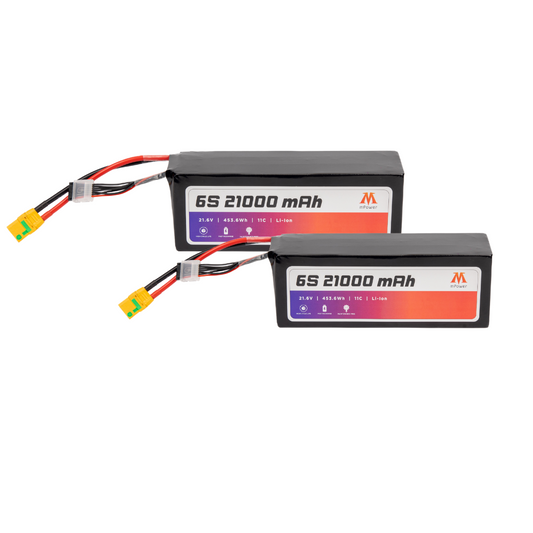
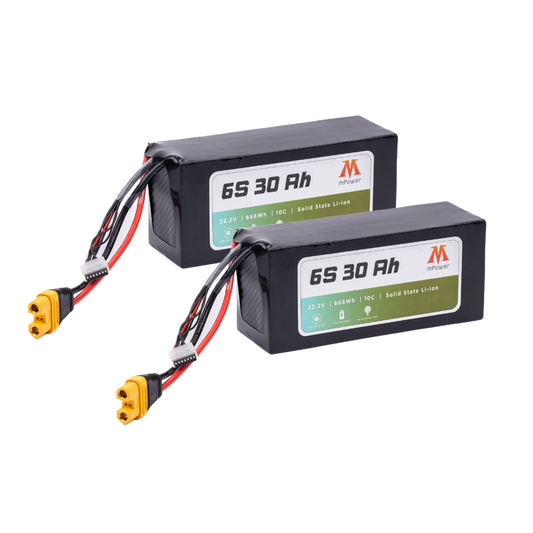
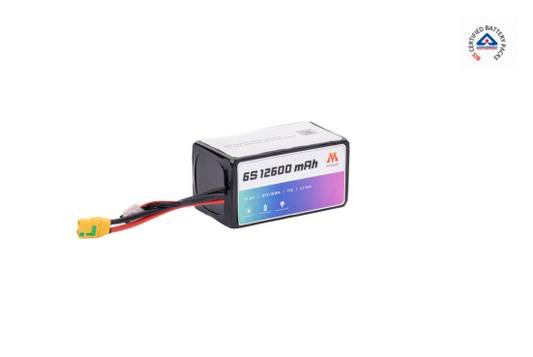
If you're flying in extreme environments or require rugged reliability, choosing a high-quality, field-tested battery is critical. That’s where mPower Batteries makes a difference. With advanced chemistry and robust casing, mPower Batteries are engineered for consistent performance—even in challenging terrain and variable climates.
Safety and Longevity Considerations
Improper battery selection can lead to overheating, voltage drops, or even failure mid-flight. Always check manufacturer compatibility, ensure batteries are properly balanced, and follow safe charging and storage procedures.
Choosing a trusted brand with rigorous quality control and safety features can go a long way in protecting both your investment and your mission. Reliable batteries reduce mid-flight risks, extend the lifespan of your drone, and ultimately improve ROI.
Final Thoughts
To summarize, the right battery depends not on a single factor but on the synergy between your flight objectives, payload, drone specifications, and operating environment. Don’t default to the highest capacity or cheapest option. Instead, think strategically about what your drone needs to achieve—and select a battery that aligns with those goals.
Still wondering how to select a drone battery? Start by identifying your drone’s core mission, assessing your payload weight, and considering conditions. Then, look for a high-quality battery that’s purpose-built for the job.