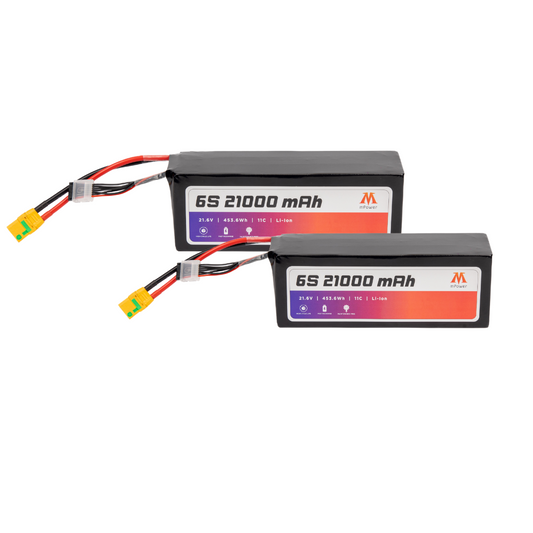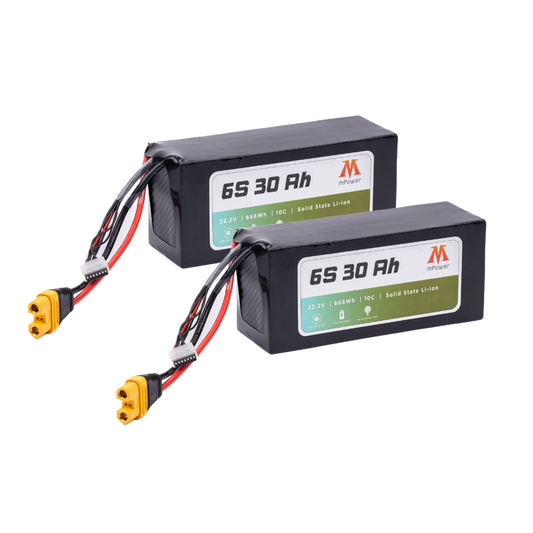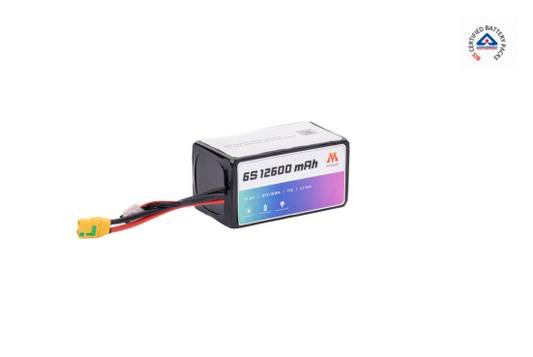


For a DGCA-approved drone, the battery is not just another component on the bill of materials. It directly affects safety, certification readiness, operational reliability and long-term performance. That is why selecting a drone battery manufacturer for DGCA approved drones should involve more than comparing price or capacity. Buyers need to look at certification support, battery testing, cell safety, customisation, operating conditions and whether the battery system can support the drone’s intended use without creating avoidable compliance or performance risks.
Certification Readiness Should Be the First Filter
For manufacturers building drones for the Indian market, certification requirements need to be considered early.
BIS certification is an important part of the drone approval process in India and is required for applicable drones as part of type certification. Drones weighing more than 250 grams must obtain BIS certification before they can receive a Type Certificate.
For a buyer, this means the battery supplier should understand how battery compliance fits into the wider drone-certification process.
A supplier that only provides a battery pack without considering certification requirements may create additional work later. A more suitable drone battery manufacturer for DGCA approved drones should be able to support OEMs with batteries that align with relevant testing and certification expectations.
Check Whether the Battery Has Been Tested for Safety
Battery safety should be one of the strongest buying criteria.
mPower covers key battery testing parameters, including overcharge protection, short circuit resistance, thermal stability and mechanical integrity.
These checks matter because a drone battery is exposed to repeated charge and discharge cycles, changing loads and operating conditions. Buyers should therefore ask what testing has been completed rather than assuming that every lithium-ion battery is suitable for commercial drone use.
It is also worth understanding whether the battery and related components have been tested through recognised laboratory processes. For OEMs, documented testing can be far more valuable than broad claims such as “high performance” or “long lasting.”
Do Not Treat the Battery as a Standalone Product
One of the common mistakes in procurement is choosing a battery first and trying to make it fit the drone afterwards. The battery needs to match the aircraft. That includes factors such as the drone’s electrical requirements, intended application, expected load and operating conditions.
mPower develops batteries across multiple drone applications, including agricultural spraying, surveillance, mapping and delivery. It also provides customised battery solutions where a standard pack may not match the platform. This is where the manufacturer’s engineering capability becomes important.
A battery supplier that can customise according to OEM requirements can help buyers avoid compromises that come from forcing a standard configuration into a specialised drone design.
Ask What Role the BMoS Plays
Battery monitoring should also be part of the evaluation process.
A drone battery with BMoS can add another layer of monitoring and management to the battery system. For manufacturers and operators, this can be useful where greater visibility into battery behaviour is required.
mPower’s Smart BMoS has real-time monitoring of factors such as voltage, current draw, temperature and individual cell performance. It also discusses battery warnings, diagnostics and battery data management.
The important point for buyers is not simply whether a BMoS is present, but what it actually does.
Questions worth asking include whether the system monitors individual cells, how it responds to threshold events, and whether the battery data can support maintenance or diagnostics.
Look at How the Battery Handles Real Operating Conditions
Certification is important, but the battery also needs to perform outside the lab.
mPower’s delivery-drone material shows how battery requirements can change depending on the mission. Its solutions support delivery ranges up to 30 km, payloads up to 50 kg, and customised batteries for BVLOS applications with heavier payloads.
The same source also refers to battery operation in temperatures down to -60°C and trials in the Ladakh-Leh region at approximately 18,000 ft MSL. For buyers, this is a reminder that temperature, altitude, payload and range can influence battery selection. The right supplier should be able to discuss the real operating environment rather than only provide a product datasheet.
Thermal Management Can Be a Buying Criterion
If the drone will operate in demanding climates, thermal management deserves specific attention.
mPower uses thermal-management solutions such as heating strips and resin-based enclosures for delivery-drone batteries intended for challenging environments. This does not mean every drone needs the same thermal solution. It means buyers should identify the intended operating conditions before finalising the pack.
For applications involving cold environments or unusual operating conditions, the battery manufacturer should be able to explain how the battery system is adapted to those demands.
Evaluate the Manufacturer’s Ability to Support OEM Integration
A commercial drone programme often needs ongoing coordination between the drone manufacturer and the battery supplier. This may include battery configuration, certification support, testing, design changes and application-specific requirements. For that reason, buyers should assess whether the supplier can support the development process rather than simply fulfil an order.
A capable drone battery manufacturer for DGCA approved drones should be able to work with OEM requirements and provide a battery solution that supports both the technical and certification needs of the aircraft. That becomes even more important as drone platforms move into specialised applications.
Do Not Ignore Data and Diagnostics
Modern battery systems can generate useful operational information. A drone battery with BMoS can support monitoring that goes beyond the remaining-charge percentage. For manufacturers and operators, access to battery behaviour can help with diagnostics and maintenance decisions.
mPower’s Smart BMoS stores battery data on proprietary in-house servers. For buyers considering intelligent battery systems, it is worth understanding where battery data is stored, what information is available and how that data can be used.
These questions become more relevant when batteries are used repeatedly across professional or fleet operations.
Conclusion
Choosing a battery supplier for a DGCA-approved drone requires a wider view than comparing capacity, chemistry or cost. Buyers should consider certification readiness, battery testing, safety, customisation, operating environment, thermal management and the level of engineering support available from the manufacturer.
Where additional monitoring is required, a drone battery with BMS can also provide greater visibility into battery behaviour and support more informed maintenance and operational decisions. The best choice is a supplier that understands the battery as part of the complete drone system and can support both technical integration and certification requirements.
Looking for a Battery Partner for Your Drone Platform?
mPower develops customised drone battery solutions with BIS-certified battery support, application-specific engineering, optional intelligent battery monitoring and support for OEM requirements.
Build your next drone platform with an mPower battery solution tailored for certification-ready performance and demanding operating environments.