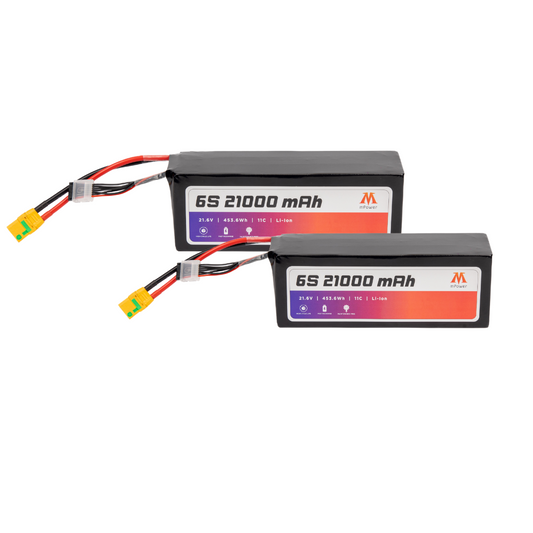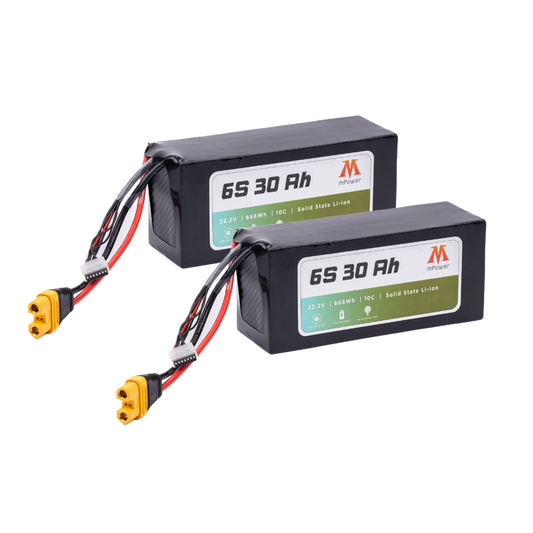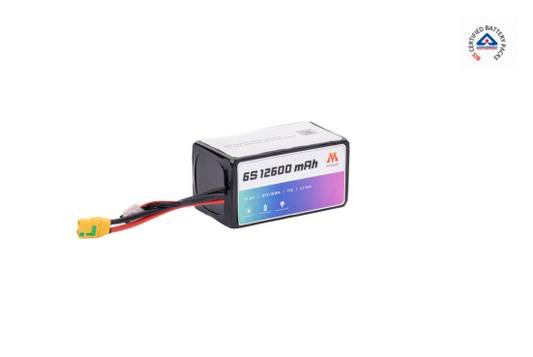


Agri drones don’t operate in clean labs or air-conditioned rooms. They fly over fields, sit under the sun, and get pushed hard day after day. Over time, the stress shows up—most clearly in the battery. One of the first warning signs operators notice is battery swelling. It may look minor at first, but it’s never something to brush off.
Most agricultural drones run on lithium-polymer- LiPo battery for drone. They’re chosen because they’re powerful and lightweight, but they’re also sensitive. When internal chemistry starts breaking down, gas forms inside the battery. Since there’s nowhere for it to escape, the battery begins to puff up. Once that happens, the battery is already unsafe.
What Causes Agri Drone Batteries to Swell?
Swelling usually isn’t caused by one big mistake. It builds up slowly, through everyday use in tough conditions—especially in Indian farms.
Heat Exposure: The Primary Trigger
Heat is the biggest enemy of LiPo batteries. During spraying or monitoring flights, drones operate under direct sunlight for long stretches. Ground heat from fields adds to the problem, and battery temperatures can cross 60°C faster than expected.
Inside the battery, high heat speeds up chemical reactions that should happen slowly. The electrolyte starts breaking down and releasing gas. Parking batteries in vehicles, sheds, or open fields after flight only worsens the situation.
Charging Issues
Charging habits matter more than most people think. Overcharging, using fast chargers that don’t match the battery specs, or trying to rush the charging cycle creates excess heat inside the cells.
Over-discharging causes damage too. Running batteries too low again and again weakens their internal structure. After a point, swelling becomes unavoidable.
Environmental and Physical Damage
Agri drone batteries face rough handling conditions every day, such as:
- Hard landings or small crashes that cause internal damage
- Mud, water, and moisture entering connectors
- Pesticide and chemical exposure, especially during monsoon spraying
- Storing batteries fully charged in humid weather
Even if nothing looks wrong outside, corrosion or internal stress may already be developing.
Why Swollen Batteries Are Dangerous
One shouldn’t just think of a swollen battery as “old.” It is in fact very unstable. The gas that is trapped inside makes the battery very close to thermal runaway, which is a condition where heat keeps increasing very rapidly.
Such an incident can result in smoke, fire, or sudden ignition—most of the times it happens while charging or the battery is left unattended. If you use a swollen battery during a flight, you put at stake not only the drone and its expensive components, but also the lives of people around you.
Immediate Actions You Must Take
Once swelling is noticed, there’s no safe workaround:
- Stop using the battery immediately. No test flights, no “last run.”
- Disconnect it from the drone carefully and without force.
- Place it inside a fire-resistant container, ideally a metal box filled with sand.
- Store it in a cool, dry location, away from fuel, cloth, or electrical equipment.
These steps reduce risk until the battery can be disposed of properly.
What You Should Never Do
Some actions can turn a damaged battery into a serious hazard:
- Never puncture, squeeze, or try to flatten a swollen battery
- Never attempt to recharge it “just to check”
- Never leave it unattended inside homes, vehicles, or charging rooms
- One wrong move is enough to trigger a fire.
Safe Disposal Practices in India
Swollen batteries should always be disposed of responsibly. If needed, they can be safely discharged by placing them in a saltwater solution (30 grams of salt per liter of water) for about 72 hours. This helps neutralize any remaining charge.
After discharge, batteries must be handed over only to authorized e-waste recycling centers. CPCB-approved facilities and certified drone service hubs are the safest and legally correct options in India.
Preventing Swelling Starts with the Right Battery
Field conditions can’t always be controlled, but battery quality makes a real difference. mPower’s li ion drone battery are designed keeping agricultural use in mind—long working hours, high temperatures, and demanding flight cycles.
Using a reliable li ion drone battery, following proper charging practices, and storing batteries correctly reduces swelling risks and improves overall safety.
If you want consistent performance and fewer battery-related failures, connect with mPower batteries today.
Choose li ion drone battery solutions built for real farming conditions—where reliability matters every single day.