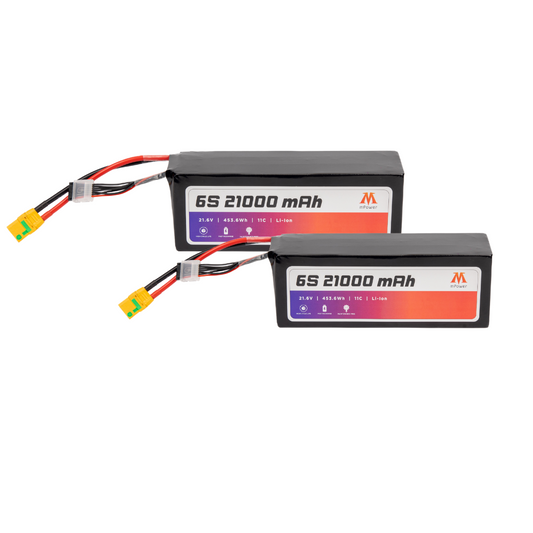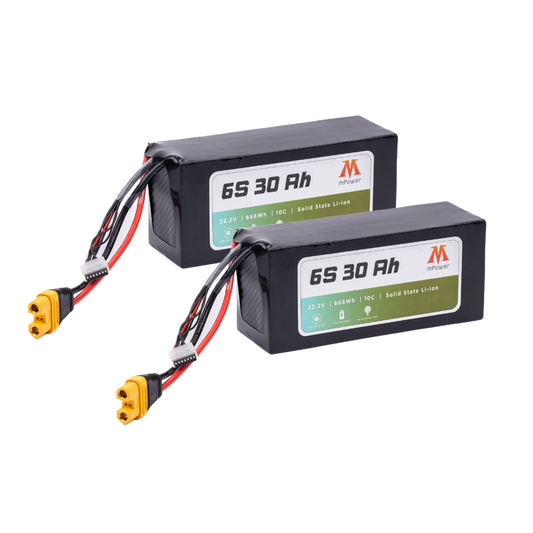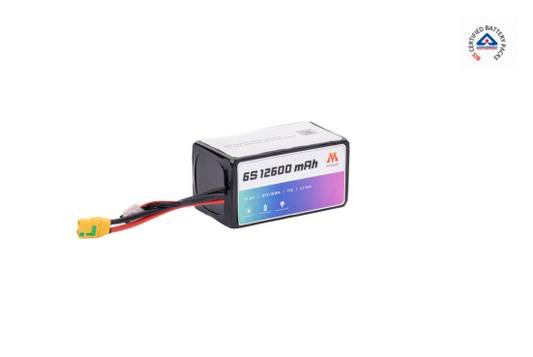


Drones are rapidly transforming industries from precision agriculture to logistics because their increased use of high-voltage batteries creates major safety problems. The 12S battery for drone provides superior performance with its ability to deliver greater energy capacity and longer operational time. The system's high voltage and capacity create dangerous situations because faulty charging or storage methods can result in overheating, battery swelling, or fire outbreaks. The process of charging these batteries requires safe procedures which technicians must execute to protect equipment and worker safety.
Why 12S Batteries Require Extra Care
The 12S battery system produces 44.4 volts output at peak charge which differs from regular low-voltage battery systems. The system enables longer flight times and supports heavier loads yet it increases danger when users operate the battery improperly.
Key risks include:
Thermal Runaway: The overheating of a cell can cause a chain reaction, leading to the neighboring cells heating up uncontrollably.
Swelling and Venting: High internal pressure can cause the battery case to distort, resulting in the release of flammable gases.
Short Circuits: Damages in the cells or incorrect connections can cause fires.
Environmental Sensitivity: Exposure to heat, moisture, and direct sunlight can increase the chances of failure.
It is essential to take proper precautions to ensure safe and reliable performance when using a 12s battery for drone.
Best Practices for Charging 12S Batteries
1. Always Use a Compatible Charger
- The charger needs to have a specific rating for 12S LiPo batteries to be verified as suitable equipment.
- The operation of lower-voltage battery chargers creates dangerous conditions because they will overcharge the batteries in use.
- The safety features needed for assessment should include automatic cutoff, cell balancing and temperature monitoring systems.
2. Choose a Safe Charging Environment
- You should recharge batteries on surfaces that do not catch fire which include ceramic tiles and metal trays.
- The area needs to have a LiPo safety bag and a fire extinguisher which should be kept accessible at all times.
- System requires proper ventilation which must operate to remove heat build-up and stop gas from building up inside the space.
3. Monitor Charging Parameters
- Before starting the charge process the team must check the voltage of each individual cell.
- The team must charge batteries at current levels which match the manufacturers' specified maximum limits and monitor battery charging processes because batteries should never be left without supervision.
4. Adopt a Stepwise Charging Routine
- Batteries which have been stored should be charged using a slow trickle charge method.
- The charging process should begin with slow charging before reaching its full recommended charging speed.
- Users should not use fast charging methods except when their battery specifications permit it and their current environmental conditions allow it.
5. Protect Against Extreme Temperatures
- You should not charge your device when there is direct sunlight or when you are near heaters or inside hot vehicles.
- The optimal charging temperature should be maintained between 20 and 30 degrees Celsius.
- Charging systems for tropical climates should include either insulated or ventilated setups to handle the temperature of the surrounding environment.
Safe Storage and Handling Practices
Even when idle, 12S batteries require careful attention:
- Partial charge storage: Keep batteries at roughly 50–60% capacity to reduce stress on cells.
- Physical protection: Avoid drops, punctures, or heavy impacts.
- Use protective cases: Hard cases or LiPo-safe bags reduce fire risk and contain flames if incidents occur.
- Regular inspections: Check for swelling, discoloration, or unusual odors. Damaged batteries should be safely disposed of.
Emergency Response Tips
Even with precautions, accidents can happen. Be prepared:
- Do not use water on LiPo battery fires; instead, use a Class D fire extinguisher or sand.
- Keep a bucket of sand nearby to contain flames quickly.
- Evacuate personnel if the fire grows uncontrollable and contact local fire services.
- Inspect all nearby batteries to prevent cascading incidents.
Why Quality Matters
High-quality batteries, such as those engineered by mPower, provide additional safety and reliability:
- Intelligent Battery Management Systems (iBMS): Monitors cell voltage and temperature in real-time.
- Cell balancing: Prevents uneven charge and prolongs battery life.
- Rugged design: Casing and insulation reduce damage risks during handling.
- Consistent performance: Reliable energy output for precision operations in agriculture, delivery, or surveying.
Investing in a trusted 12S battery for drone technology ensures safer operation, longer lifespan, and uninterrupted flight performance.
Operator Best Practices
- Track charge cycles for each battery to monitor health.
- Rotate batteries to avoid overusing one pack repeatedly.
- Train team members in proper fire safety and battery handling.
- Stay updated with manufacturer guidance and R&D recommendations for advanced battery care.
By combining careful handling with high-quality batteries, drone operators can maximize efficiency, flight reliability, and safety.
Conclusion
The 12S battery for drone operation serves as a high-performance device which enables extended flight durations while supporting increased payload capacity, yet the battery system presents fire hazards which require complete attention. The organization maintains safe operational procedures through its implementation of proper charging and storage methods together with emergency response protocols. mPower batteries which combine top-notch manufacturing with smart design give users iBMS monitoring, strong battery protection and dependable operational performance.
This battery system enables drone operators to achieve maximum performance through proper maintenance and intelligent operational methods which protect their safety.
Ready to fly safely with high-voltage batteries? Contact us today!