

Drone battery life is directly affected by how you charge it, slow charging helps extend cycle life, while frequent fast charging accelerates battery degradation. In real-world drone operations such as aerial photography, surveying, and agriculture, charging methods directly impact performance, efficiency, and downtime. But when is fast charging actually worth the trade-off?
In this guide, we’ll break down the difference between fast and slow charging, how each affects performance, and what you should do to maximize battery cycle life without compromising reliability.
Fast Charging vs Slow Charging: What You Need to Know
Choosing the right charging method isn’t just about speed. It directly impacts how long your battery lasts and how consistently your drone performs over time.
Fast Charging: Speed with Trade-Offs
Fast charging is about convenience, reducing wait time by pushing higher current into the battery, allowing it to recharge within 15 to 60 minutes.
- Minimal downtime between flights
- Ideal for field operations and time-sensitive tasks
- Keeps workflows running without long interruptions
What’s Happening Inside
Fast charging proves to be a time-saving method yet it causes batteries to heat up more and it accelerates chemical processes that occur within their internal components. The battery's current boost leads to faster chemical reactions which decrease the battery's ability to maintain charge capacity over time. The practice of fast charging multiple times will reduce the battery life of a drone which results in a maximum usage of approximately 1,000 charging cycles. Over time, you may notice:
- Reduced flight duration
- Slower power delivery
- Less consistent performance during flights
When It Makes Sense
Fast charging works best when used occasionally rather than as a daily habit. It’s ideal when:
- You’re in a time-sensitive situation
- You need a quick recharge between flights
Slow Charging: Built for Longevity
Slow charging reduces internal stress and maintains thermal stability, helping preserve battery capacity over time. Slow charge results in lower temperatures and more uniform energy distribution within cells. This helps the battery retain its capacity over time
The Real Advantage
When slow charging is continuous, the battery can endure as much as 3,000+ cycles if maintained properly. This is why it is the best pick for anyone who wants to keep a drone with long battery life.
- Stable voltage output over time
- Better long-term efficiency
- Reduced risk of overheating or swelling
The Smart Way to Charge Your Drone Battery
The way you charge your battery is not the only thing that matters. The way you use your battery overall is just as important. Here’s how to maximize the life of every cycle:
Follow the 20 - 80 Rule: Avoid fully charging or completely discharging your battery.
Let It Cool Before Charging: After a flight, your battery is warm. Charging immediately traps heat and accelerates battery wear.
Store Batteries Correctly: When you’re not going to use your battery for a while, store it with 50–60% charge. This will reduce the long term decay, and capacity loss.
Use the Right Charger: Only use the manufacturer recommended or good quality chargers. Voltage and current fluctuations may cause internal cell damage and shorten the life.
Balance the Cells Regularly: This makes cells balanced evenly for charging and discharging. This increases efficiency and prevents long term performance issues.
Temperature: The Silent Battery Killer
Temperature plays a crucial role in battery health, often more than people realize.
- Ideal charging range: 10°C to 25°C
- High heat: Leads to swelling and faster degradation
- Extreme cold: Reduces charging efficiency and slows reactions
Keeping the right temperature is key to a longest battery life for drone performance.
Powering Performance with mPower Batteries
Even the best charging practices won’t deliver results if the battery itself isn’t reliable. High-quality batteries make a noticeable difference by offering:
- Better thermal management
- Stable power output
- More charge cycles
- Safer, more dependable performance
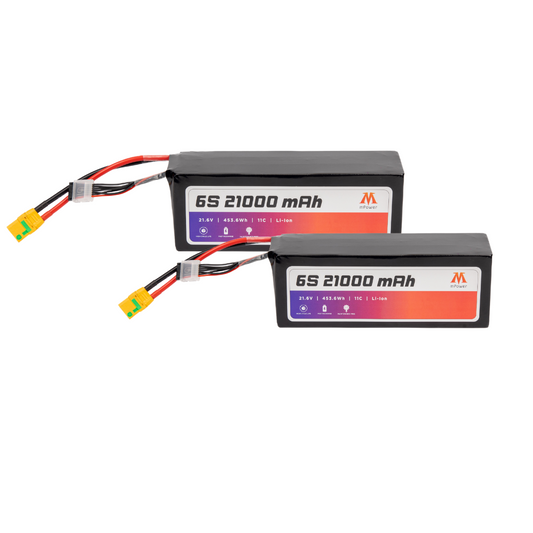
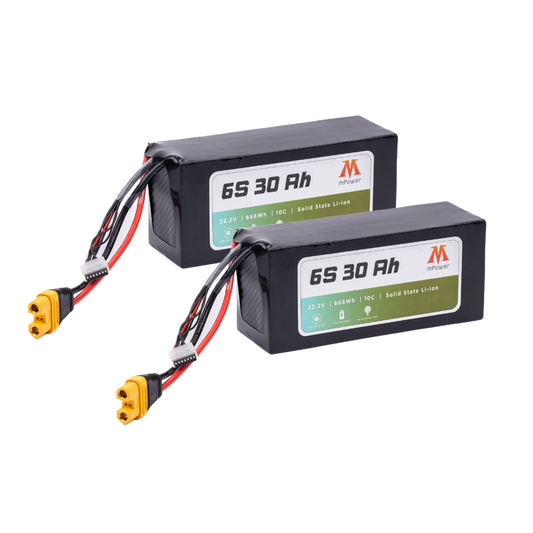
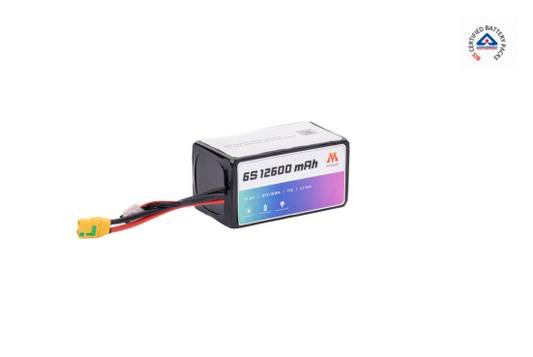
This is where mPower batteries are designed to help, offering advanced thermal management and stable power delivery, supporting efficient charging and improved cycle performance across demanding drone applications.
Pro Tips for Better Battery Health
Small changes can make a big difference. Land your drone when the battery reaches 20–25%, avoid overnight charging, and ensure the battery connectors are kept clean and dry. It’s also important to monitor battery health regularly and limit frequent fast charging. These habits help you achieve the best drone battery life possible over time.
Beyond Charging: What Else Affects Battery Life?
Charging habits are only a part of the story. There are a number of other things that determine how long your battery will last:
- Flight Style: Aggressive flying uses battery power more rapidly
- Payload Weight: Higher payload weights make a quad less efficient
- Wind Conditions: Wind affects how hard motors need to work
- Motor Efficiency: Higher quality motors are more efficient
- Battery Age: Your battery will naturally lose capacity as it gets older.
By optimizing these factors, you can consistently maintain a drone with good battery life.
Final Takeaway
Fast charging serves as an attractive option, yet slow charging performs better because it extends battery cycle life. The combination of smart charging practices with proper storage methods and temperature management and high-quality equipment enables users to attain substantial battery life and performance improvements. Battery maintenance benefits both hobbyists and professionals because it results in decreased interruptions and improved operational efficiency and sustained flight safety.
Choosing the right charging approach and reliable battery technology can significantly improve performance and longevity. Explore smarter power solutions with mPower to get more out of every flight.
Want longer-lasting performance from every flight? Contact us today!