

Envision a tiny drone, no bigger than your palm, buzzing effortlessly through the air. This wasn't science fiction a decade ago, but thanks to the relentless march of miniaturization, it's now a reality. The miniaturization of crucial components has revolutionized the drone industry, paving the way for compact, versatile, and feature-packed drones that were once unimaginable. But what exactly are the miniaturization breakthroughs that have made these pocket-sized marvels possible?
Miniaturization refers to the process of making electronic components smaller while enhancing their functionality and efficiency. This technological breakthrough has significantly influenced the development of drones, enabling the creation of more compact, lightweight, and agile models without compromising on performance. As a result, compact drones now boast sophisticated features such as high-resolution cameras, advanced sensors, and powerful processors, all within a smaller frame.
These miniaturized drones are easier to manoeuvre and more portable. They can access areas that larger drones cannot, making them ideal for various applications, from recreational use to professional tasks in industries like agriculture, surveillance, and emergency services. Understanding how to charge drone battery effectively is crucial to maintaining the longevity and performance of these compact models.
Let's delve deeper and explore how miniaturization has transformed drone technology, and how advancements like high-performance batteries from mPower play a crucial role in keeping these compact drones airborne. Choosing the right power source is essential to fully leverage the benefits of miniaturized drone technology.
The Brains Behind the Brawn
Miniaturization isn't just about shrinking existing components. It's also about developing entirely new technologies that are specifically designed for smaller form factors. Here's a peek into some of the key advancements that have empowered compact drones:
- Microcontrollers: These tiny computers serve as the brain of the drone, controlling its flight path, processing sensor data, and maintaining stability. Advancements in microcontroller technology have led to more powerful and efficient chips that can fit within the limited space of a compact drone.
- Brushless Motors: These highly efficient motors offer a superior power-to-weight ratio, allowing for smooth and precise flight control while minimizing energy consumption. Miniaturized brushless motors are essential for compact drones, enabling them to achieve impressive flight times despite their small size.
- Miniaturized Sensors: Compact drones rely on a variety of sensors, including accelerometers, gyroscopes, and barometers, to maintain stability and navigate their environment. The miniaturization of these sensors has allowed for the integration of advanced functionalities within the limited space of a compact drone.
The Power of a Tiny Package
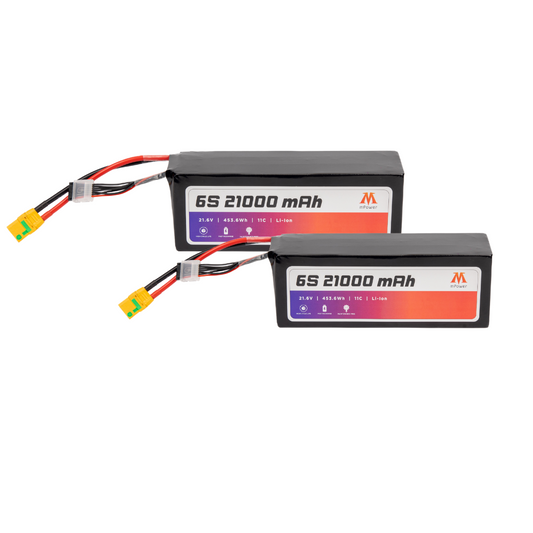
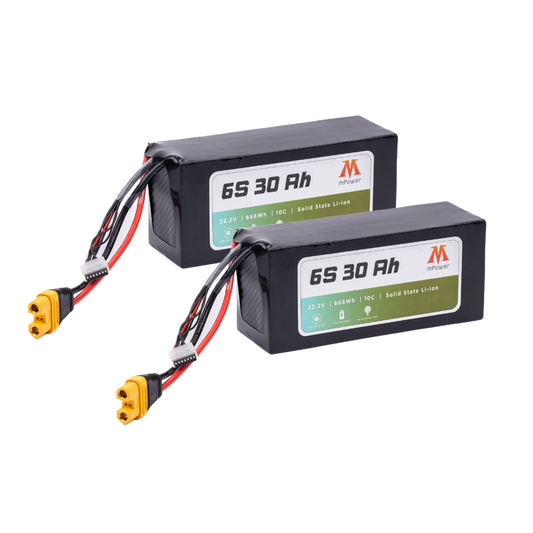
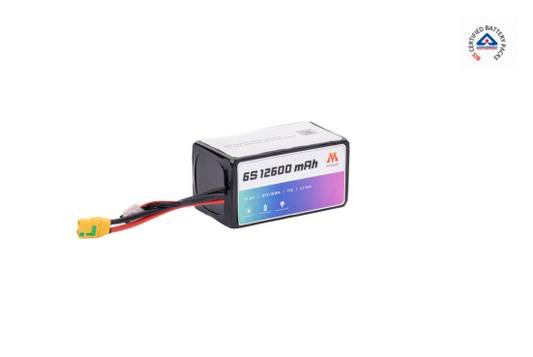
While advancements in electronics and motors are crucial, the true game-changer for compact drones is the development of powerful yet lightweight energy sources. Traditional batteries simply aren't feasible for these miniaturized marvels. Here's where mPower batteries come into play.
- mPower batteries are built with high-density materials and innovative design, packing a powerful punch in a small package. This ensures that compact drones can maximize their payload capacity for essential equipment like cameras and sensors.
- Despite their size, mPower batteries deliver exceptional power output and long flight times. This allows compact drones to perform demanding tasks without frequent battery changes, maximizing operational efficiency.
- mPower batteries are built with safety and reliability in mind. They undergo rigorous testing to ensure consistent performance and a long lifespan, which is crucial for professional applications.
Practical Applications of Mini-Scale Drones Across Industries
Mini-scale drones are expanding access to precision aerial intelligence
Mini-scale drones are transforming how industries collect data and respond to real-world challenges. In agriculture, compact drones monitor crop health in tight plantation rows where larger models cannot operate efficiently. In infrastructure inspection, micro drones navigate confined spaces such as pipelines, tunnels, and building interiors. Emergency services deploy small drones for indoor search-and-rescue missions, especially in collapsed structures where human entry is risky. Law enforcement and security teams use discreet micro drones for rapid situational awareness in urban environments. Their portability and ease of deployment make them valuable tools for professionals who require quick aerial access without complex logistics.
Miniaturization Challenges and Design Trade-Offs
While smaller drones offer flexibility, miniaturization introduces engineering trade-offs. Reduced frame size limits battery capacity, directly impacting flight duration. Thermal management becomes more complex as components are packed closer together. Smaller motors must deliver adequate thrust without excessive power draw. Designers also face constraints in payload integration, balancing advanced sensors with weight limitations. Structural durability can be affected as materials become lighter. Achieving stability in windy conditions is more challenging for lightweight airframes. Every design decision involves balancing endurance, power efficiency, and functionality within limited physical space.
Future Trends: Autonomous and AI-Driven Micro Drones
The next evolution of micro drones lies in autonomy. AI-driven flight systems are enabling real-time obstacle avoidance, intelligent route planning, and adaptive mission control. Future micro drones will integrate onboard processing to reduce reliance on remote pilots. Swarm technology may allow multiple small drones to coordinate tasks collectively. Improvements in battery density and lightweight materials will further enhance operational endurance. As artificial intelligence matures, micro drones will become smarter, more independent, and capable of executing complex missions with minimal human intervention.
Conclusion
In conclusion, the miniaturization of electronic components has profoundly influenced the development of compact drone models, making them more versatile, efficient, and accessible than ever before. These advancements have enabled drones to perform complex tasks across various industries, from agriculture to emergency services. To fully leverage the benefits of these sophisticated, compact drones, selecting the right power source is essential. mPower batteries offer high energy density, fast charging capabilities, and robust safety features, ensuring optimal performance and reliability. Additionally, understanding how to charge drone battery correctly is crucial for maintaining their longevity and efficiency. Equip your miniaturized drones with mPower batteries to experience enhanced flight times, superior performance, and dependable operations. Visit mPower now.