

Drone performance depends on the battery behind every flight. For agriculture, mapping, surveillance, delivery, and inspection drones, the battery decides flight time, payload strength, safety, and operating cost. Choosing the right supplier is not a simple purchase decision. It is a long-term business decision.
Many drone OEMs and service providers now compare lithium-ion battery suppliers in India before finalising their battery partner. The right supplier should offer product quality, technical knowledge, certification support, customisation, and dependable after-sales service. A low-priced battery may look attractive at first, but poor performance can lead to downtime, safety issues, and replacements.
Check Product Quality First
Quality should come before price. Drone batteries face heavy load, repeated charging, outdoor use, and constant vibration. A weak battery pack can heat up, lose capacity quickly, or fail during flight.
A reliable supplier should provide batteries built with tested cells, proper pack design, safe wiring, and strong battery management systems. The battery must deliver stable voltage and consistent discharge.
Before choosing a supplier, ask about:
- Cell quality and chemistry
- Battery capacity and voltage range
- Discharge performance
- Cycle life expectations
- Thermal safety features
- Warranty terms
These details help you understand if the supplier is serious about performance or only selling standard battery packs.
Look for Certification and Safety Standards
Drone batteries must be safe, especially when used for commercial work. Agriculture drones may fly over farms and workers. Surveillance drones may operate near buildings. Delivery drones may carry payloads across public spaces.
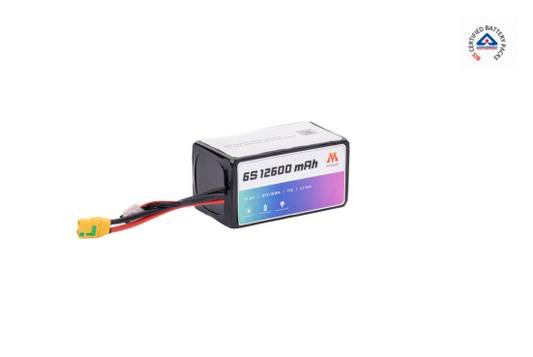
Certified batteries offer more confidence. A supplier with BIS-certified battery solutions shows stronger commitment to safety and compliance. Certification also helps OEMs build trust with enterprise clients.
Safety should include protection against overcharging, deep discharge, short circuits, overheating, and voltage imbalance. Without these protections, even a powerful battery can become risky.
Choose Suppliers Who Understand Drone Applications
Not every lithium ion battery is suitable for drones. Drone batteries need high energy density, reliable discharge, low weight, and strong build quality. A battery used for another application may not perform well in aerial systems.
Reliable lithium-ion battery suppliers in India should understand different drone use cases. An agricultural spraying drone needs power for heavy payload lifting. A mapping drone needs steady output for planned routes. A surveillance drone may need longer endurance. A delivery drone needs a careful balance between load and distance.
This application knowledge helps the supplier recommend the right battery instead of pushing one generic option.
Evaluate Customisation Support
Drone OEMs often need custom battery packs. The required voltage, capacity, size, connector type, mounting style, and discharge rate can change based on the drone design.
A good supplier should support customisation. This is important for OEMs building drones for specific industries. Custom battery support can improve fit, performance, safety, and user experience.
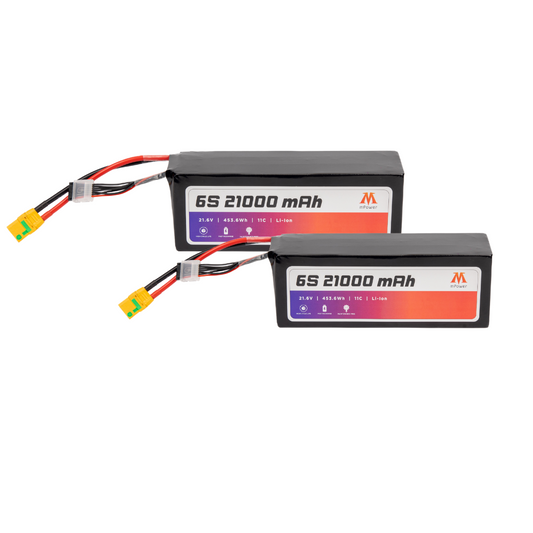
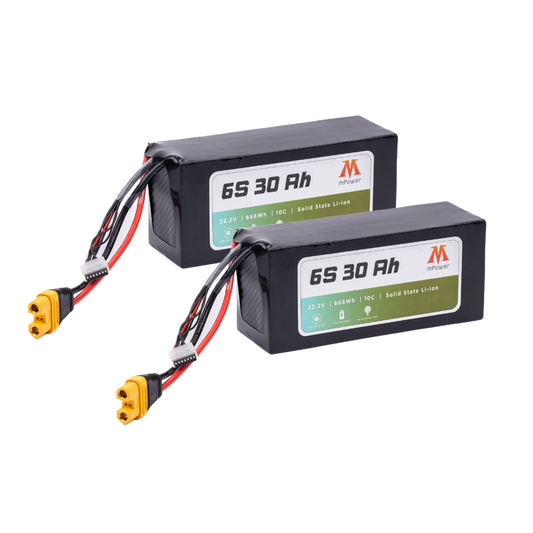
mPower Lithium offers customisable battery solutions for OEM specifications. This helps drone manufacturers develop batteries that match their product design.
Check Delivery, Service, and Long-Term Support
Battery supply should not stop after the first order. Drone businesses need consistent delivery, replacement support, warranty handling, and technical guidance. Delayed supply can affect production schedules and customer commitments.
mPower Lithium highlights 2-day shipping, corporate order support, customer service, and a Corporate Partnership Program for high-volume battery needs. Such support is useful for OEMs and drone operators.
A reliable supplier should also help with battery recycling, order fulfilment, and aftermarket requirements.
Compare Real Value, Not Only Price
Price matters, but it should not be the only deciding factor. A cheaper battery may reduce upfront cost but increase long-term expenses through poor flight time, early failures, warranty claims, and customer complaints.
When comparing suppliers, look at total value. Consider performance, safety, cycle life, support, documentation, and customisation. A better battery can save money by improving uptime and reducing field failures.
For commercial drone businesses, reliability is part of brand reputation.
Questions to Ask Before Finalising a Supplier
Before placing an order, ask clear questions:
- Do you offer BIS-certified batteries?
- Can you customize batteries for OEM specifications?
- What warranty do you provide?
- Do you support bulk or corporate orders?
- What charger compatibility do you recommend?
- How do you handle service and replacement?
- Can you support long-term supply?
These questions reveal how prepared the supplier is for serious drone business needs.
Conclusion
Choosing the right battery supplier can improve drone performance, safety, and business reliability. The best supplier should offer tested batteries, certification, customisation, technical support, and consistent delivery. For drone OEMs and operators, the decision should be based on long-term value rather than low pricing alone.
As demand grows, working with trusted lithium ion battery suppliers in India becomes important for building safer and more efficient drones. mPower Lithium supports this need with BIS-certified drone batteries, OEM customisation, corporate order support, and dependable customer service for Indian drone businesses.