

Drones have evolved far beyond simple hobby gadgets. Now they play a vital role across industries such as filmmaking, agriculture, surveillance, mapping, and delivery. But with all that widespread adoption, there’s a big question. How safe is your drone, really? This is when BIS Certification is necessary, which acts as a sticker of quality, safety and dependability in the Indian market.
If you’ve ever wondered whether certification is essential or just a formality, understanding its impact on safety, performance, and durability makes the difference clear.
Understanding BIS Certification in the Drone Ecosystem
The Bureau of Indian Standards (BIS) establishes national standards for India which it uses to evaluate product safety and quality and performance standards. Drones must obtain BIS certification because it serves as an essential requirement. The Directorate General of Civil Aviation (DGCA) requires this particular validation as a mandatory requirement for their approval process.
The Indian government considers a drone safe for operation after it passes rigorous testing and meets all BIS regulations. Drones that weigh more than 250 grams require BIS certification as an essential step before they can obtain a Type Certificate.
But beyond compliance, BIS certification directly impacts your drone’s operational safety.
Why BIS Certification Matters for Drone Safety
1. Verified Component Safety
Every drone has a critical component at its core, the battery. Inaccurate battery performance can lead to overheating, fire risks, unexpected shutdowns, or mid-air failures. Faulty batteries are the leading cause of drone fires and mid-air failures.
BIS certification ensures that batteries, chargers and electronic systems comply with strict Indian safety standards including IS 16046. The use of bis approved lithium-ion battery in your drone reduces the possibility of thermal runaway and electrical failure.
This is especially critical for professional users operating in high-stakes environments where reliability is essential.
2. Rigorous Testing Under Real Conditions
Before a drone or its components receive certification, they are tested in accredited laboratories (such as NABL-certified labs). These tests evaluate:
- Electrical safety
- Structural durability
- Performance stability
- Environmental resilience
This ensures drones are tested not only in controlled conditions but also for real-world scenarios such as temperature variations, voltage fluctuations, and physical stress. The Bis approved lithium-ion battery, for instance, is tested for charge cycles, heat resistance, and durability ensuring it performs safely over time.
3. Protection from Substandard and Counterfeit Products
The drone market has grown drastically in India, but unfortunately, growth also carries risk of poor quality or fake parts. These may appear similar but often lack critical safety features.
BIS certification serves as a market access filter which permits only products that meet testing requirements to enter the commercial market. A drone equipped with a BIS-certified lithium-ion battery provides both enhanced safety measures and dependable operational capabilities. The system achieves better operational performance because it reduces the likelihood of equipment breakdowns and helps maintain operational efficiency.
Key Safety Areas Covered by BIS Standards
Battery Safety
Battery related incidents are among the most common drone failures globally. BIS standards ensure that every bis approved lithium-ion battery undergoes strict safety checks, including:
- Overcharge protection
- Short-circuit resistance
- Thermal stability
- Mechanical integrity
This minimizes risks such as swelling, leakage, or fire especially during extended use.
Electronic and Charging Safety
Chargers and power adapters are equally critical. Standards like IS 13252 ensure that these components:
- Prevent overvoltage
- Maintain consistent current flow
- Protect against electrical faults
A safe charging system works alongside a BIS-approved lithium-ion battery to ensure your drone remains stable both on the ground and in the air.
Communication and Wireless Reliability
Drones rely heavily on wireless communication for navigation and control. BIS-aligned requirements, along with Equipment Type Approval (ETA), ensure that:
- Frequencies are regulated
- Signal interference is minimized
- Communication remains stable
This reduces the risk of signal loss or unexpected disconnections during flight.
Structural and Operational Safety
Beyond electronics, BIS certification also ensures that drones are built to withstand operational stress. This includes:
- Frame durability
- Propeller safety
- Emergency fail-safes (like auto landing on signal loss)
These features are critical for preventing crashes and ensuring controlled operation even in unexpected situations.
BIS Certification and Future Ready Safety
The drone industry is evolving rapidly, and BIS standards are evolving with it. Upcoming and developing regulations are focusing on:
- Cybersecurity protections to prevent hacking or hijacking
- Geofencing capabilities to restrict flights in no-fly zones
- Advanced fail safe mechanisms for enhanced operational control
This forward looking approach ensures that certified drones are not just safe today, but also prepared for future challenges.
The Role of Quality Brands in Ensuring Safety
The bis certified lithium ion battery undergoes testing to verify its performance in three specific areas which include over charge protection and short circuit resistance and thermal stability. The system achieves higher operational strength because it can withstand testing conditions which include extreme environmental conditions.
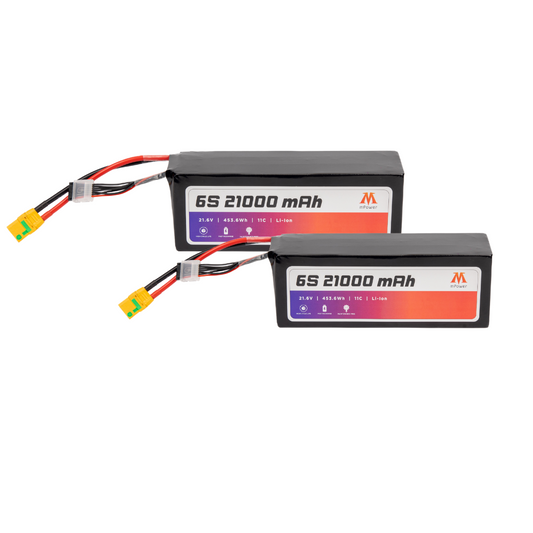
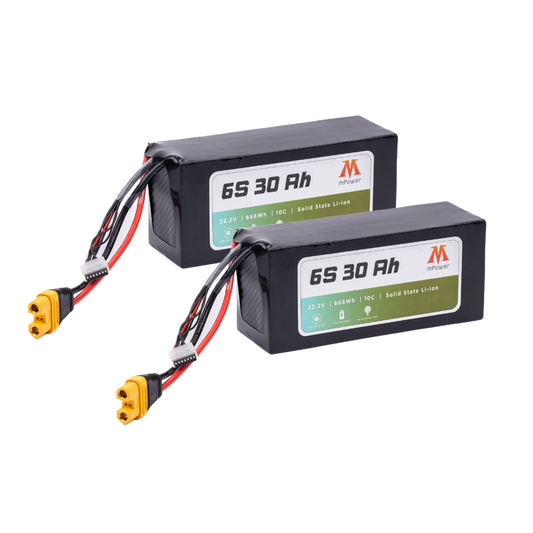
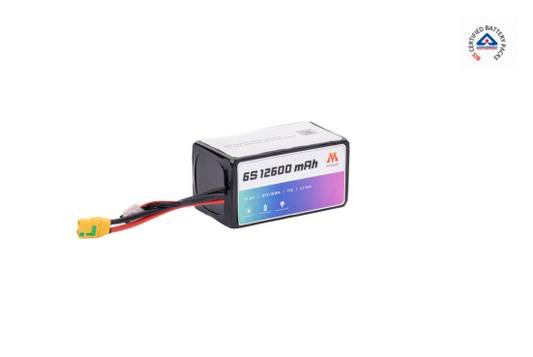
Brands like mPower integrate BIS-certified components directly into their batteries.This improves protection, performance, and long-term reliability. When you buy BIS validated components, you are buying safety through proven experience and operations reliability you can count on.
Final Thoughts
BIS Certification is far more than a regulatory requirement. It’s a comprehensive safety framework that protects users, equipment, and the environment. From battery reliability to communication stability, every aspect of a certified drone is designed to minimize risk and maximize performance.
A BIS-approved lithium-ion battery from mPower ensures safer, more reliable operations with consistent performance and long-term durability. In an industry where precision and safety are critical, certification is not optional it is essential.
Fly confidently with BIS-certified drone batteries. Contact us today!