

Drones are now used for farming, mapping, surveillance, and inspection. As usage grows, battery safety becomes more important. A drone depends on clean, stable power. If the battery is not charged correctly, a well-built drone can face sudden power loss, overheating, cell damage, or unsafe landing.
LiPo batteries are widely used in drones because they are light, powerful, and capable of high discharge output. But they need careful handling. Balance charging keeps each cell inside the battery pack at the right voltage level. For drone owners, service teams, and OEMs, this is a safety requirement for every team.
What is LiPo Balance Charging?
A LiPo battery pack is made of multiple cells connected together. In a perfect battery, all cells charge and discharge evenly. In real use, this does not always happen. One cell may charge faster. Another may drain faster. Over time, this difference can become dangerous.
Balance charging checks each cell and brings them to equal voltage during charging. This helps the battery remain stable and safe. Without balance charging, one cell may become overcharged while another remains undercharged. This imbalance can reduce performance and increase risk.
A good drone battery charger with balance charging support helps monitor cell voltage and prevents unsafe charging behaviour.
Why Cell Balance Matters for Drone Safety
Drones fly in demanding conditions. They lift payloads, change direction quickly, face wind, and depend on steady battery output. If the battery cells are uneven, power delivery can become unstable during flight.
Cell imbalance can lead to sudden voltage drops, shorter flight time, battery swelling, overheating, reduced cycle life, and mid-flight power failure. For commercial drones, these problems can delay field work, damage payloads, and create safety concerns near people, crops, buildings, or vehicles.
Prevents Overcharging and Heat Build-up
Overcharging is one of the biggest risks in LiPo batteries. When a cell crosses its safe voltage limit, heat can build up quickly. This may damage the battery internally and increase the chance of swelling or fire.
Balance charging reduces this risk by tracking individual cell voltage. It does not treat the battery pack as one single unit. Instead, it checks each cell separately. This makes charging safer and more controlled.
Supports Longer Battery Life
Battery replacement is a recurring cost in drone operations. Poor charging habits can reduce battery life faster than expected. If cells stay imbalanced, some cells work harder than others. This increases stress and weakens the full battery pack.
Balance charging helps maintain cell health. It allows the battery to charge evenly and discharge predictably. Over time, this supports better cycle life and dependable performance.
For drone operators, longer battery life means fewer replacements, lower operating cost, and better planning.
Improves Flight Time and Power Stability
Flight time depends on how well the battery delivers usable energy. An imbalanced battery may show full charge, but one weak cell can limit the entire pack. During flight, the drone may trigger low-voltage warnings earlier than expected.
Balance charging makes sure all cells start from a similar voltage level. This improves power stability and allows the drone to use the battery more efficiently.
Important for Commercial Drone Operations
Commercial drones may complete several flights in a day. Their batteries are charged, discharged, transported, and reused often. This makes balance charging more important.
A professional drone battery charger can help teams manage this safely when used with proper charging guidelines. Operators should avoid damaged batteries, charge in a safe area, and never leave charging batteries unattended.
Good battery practices also help OEMs build trust with customers. When users get safe and consistent battery performance, the drone brand becomes more reliable.
Best Practices for Safer LiPo Charging
Safe charging depends on both the charger and the user. Balance charging should become a regular part of battery care. Operators should use compatible chargers, check batteries before charging, avoid swollen packs, charge on a fire-safe surface, let batteries cool, store at proper voltage, and keep connectors clean.
These steps reduce avoidable risks and improve battery performance.
How mPower Supports Safer Drone Power
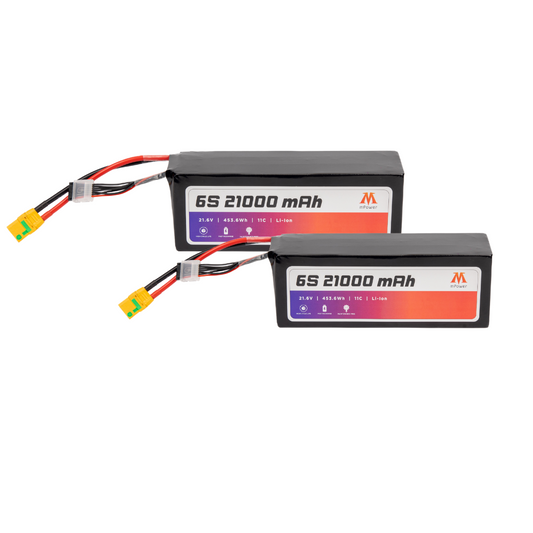
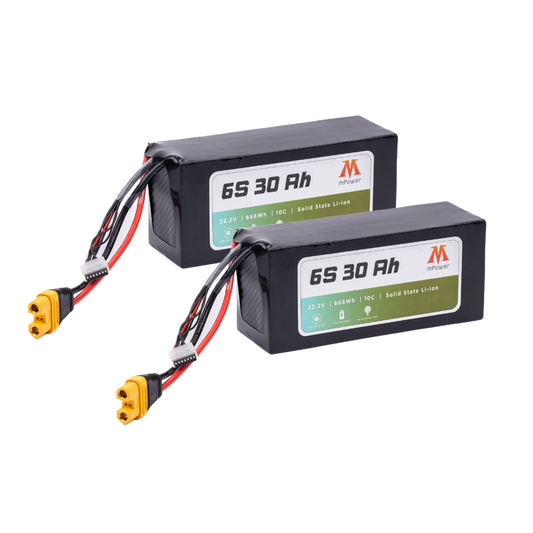
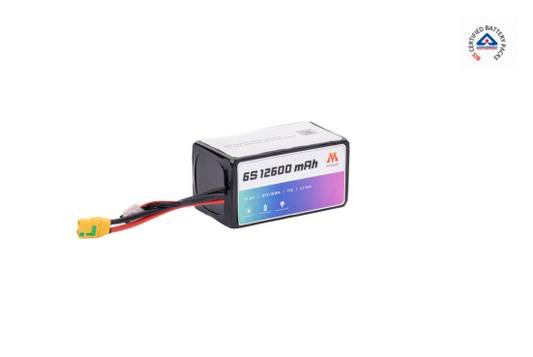
mPower Lithium builds drone battery solutions for Indian drone users, OEMs, RPTOs, and commercial teams. The company offers BIS-certified batteries, customizable battery packs, drone battery charger, and support for agriculture, surveillance, survey, mapping, and delivery drones.
mPower also supports corporate orders and custom battery requirements for OEMs. For drone businesses that need dependable power, the right battery and charging setup can improve safety, uptime, and long-term value.
Conclusion
LiPo balance charging is critical because drone safety starts with battery health. It protects cells from imbalance, reduces overcharging risks, improves power stability, and supports longer battery life. For commercial drone users, it helps reduce downtime and operating costs.
As drone usage grows across India, safe charging practices should never be ignored. A quality battery, a suitable charger, and proper handling can make every flight safer and more reliable.
Contact mPower Lithium for custom-specific batteries, chargers, and OEM support.