

If you’ve worked with agri drones during an Indian monsoon, you already know how messy things get. One day the field feels okay, the next day it’s slushy, uneven, and full of water in places you swear were dry yesterday. Boots get stuck, gloves stay wet, and even simple things start feeling annoying.
That’s usually when it happens. You’re swapping a battery, shifting your weight, or just trying not to slip- and the battery drops. No drama. No bounce. Straight into muddy water. You just stand there for a second, staring at it, thinking, great… now what?
Here’s the thing. An agri drone battery falling into mud doesn’t always mean it’s finished. But what you do right after decides whether it’s recoverable or a safety problem waiting to happen.
Immediate Actions: What to Do Right Away
This section is largely just common sense, however, the timing is still important.
Do it as fast as you are able to take the drone battery out of the muddy water. A monsoon puddle is not clean water. It is full of soil, sand, and all kinds of things that are not meant to go inside a drone battery.
If the drone battery is still connected to the drone, then remove it at once.
Switch off the drone and anything else that’s connected.
One thing you really shouldn’t do here: don’t turn the agriculture drone battery on and don’t put it on charge.
Even if it looks totally fine, moisture inside can cause short circuits or heating the moment power flows. A lot of batteries die not because they got wet, but because someone tried to “just check once” if they still worked.
Cleaning Steps: Take It Easy
- Once everything is powered off, don’t attack the agri drone battery like you’re cleaning a tractor tyre.
- Wipe off loose mud gently with a dry, lint-free cloth.
- Don’t scrub hard. That usually pushes mud deeper into seams and ports.
In case the agriculture drone battery has been placed in muddy water, a gentle wash with distilled water can help get rid of the residue. Distilled water is more secure since it doesn’t deposit minerals. Regular water, particularly during monsoon, can gradually cause rusting of the agri drone battery from the inside.
For small gaps and corners:
- Use compressed air or a soft brush.
- Go slow. Don’t blast air straight into charging ports.
The idea isn’t to make the drone batteries look brand new. Just remove the obvious dirt without making things worse.
Drying and Inspection: This Is Where Patience Pays Off
This is the step people rush the most—and regret later.
- Place the battery upside down in a warm, dry place with airflow.
- Keeping it near a fan or dehumidifier helps.
- Leave it alone for at least 48 to 72 hours.
In humid monsoon weather, more drying time is always better than less.
Some people put batteries in rice. It can help, but only if no grains get into the ports. A cleaner option is sealing the battery in a bag with silica gel packets.
After drying:
- Check for swelling, cracks, corrosion, or discoloration.
- If needed, lightly clean exposed contacts with isopropyl alcohol. Just a little. Don’t soak it.
- Before reusing, check the voltage with a multimeter. If the readings look off or unstable, don’t try to force it.
Safety and Disposal: Knowing When to Call It
Lithium batteries don’t give second chances.
If you see swelling, corrosion, physical damage, or strange voltage readings, stop using the battery. Flying with a damaged battery is asking for trouble.
To safely discharge it before disposal:
- Soak it in saltwater (around 30 grams of salt per liter) for 72 hours.
- Use a fireproof container and keep it somewhere safe.
Once that’s done, recycle it at an authorized facility in India. Don’t dump it. If you’re unsure, local drone repair guys who deal with monsoon damage can usually point you in the right direction.
Conclusion: Why Battery Choice Really Matters in Monsoon
Monsoon flying is already hard enough. Battery issues shouldn’t make it worse. Yes, handling accidents properly helps, but long-term peace of mind comes from using batteries that can handle real field conditions.
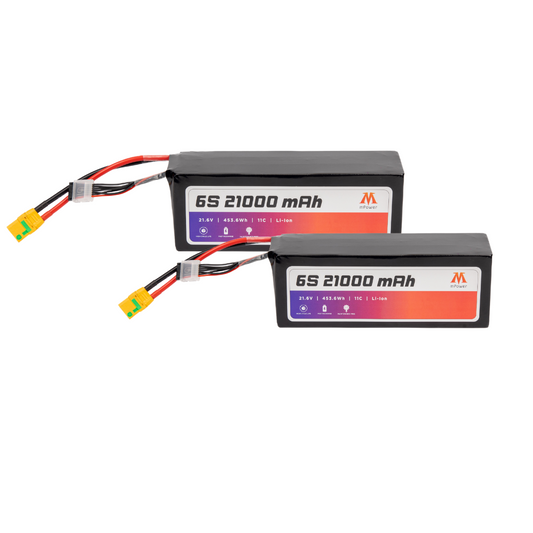
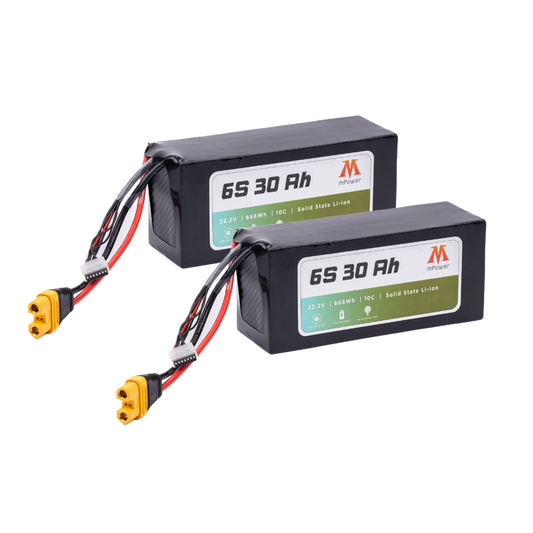
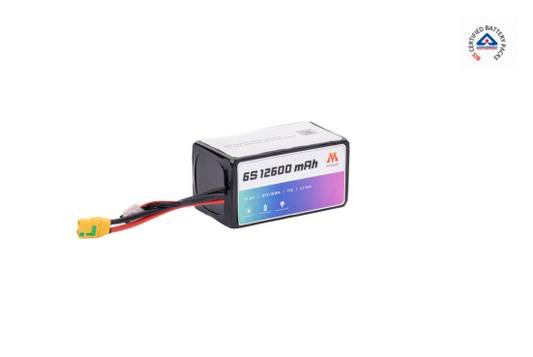
mPower batteries are built with those realities in mind—humidity, rough handling, and daily agricultural use. For agri drone operators who want fewer headaches and more reliable flights during monsoon season, mPower is a solid choice.
Switch to mPower batteries, lithium drone battery manufacturer, providing lithium batteries for your agriculture drone.