

Agriculture drones are changing the way Indian farms work. A single drone can help with spraying, crop monitoring, field mapping, and farm inspection in much less time than manual methods. For farmers, this means better speed. For drone service providers, it means more business opportunities. But before any drone takes off over a field, the operator must understand the rules that control drone flying in India.
The Directorate General of Civil Aviation, or DGCA, manages India’s drone regulatory framework, and its official drone page lists the Drone Rules 2026, amendment rules, Digital Sky platform, type certificate details, RPTO list, and UIN details.
Why Agriculture Drone Operators Must Take Rules Seriously
An agriculture drone does not fly in an empty sky. It often works near workers, trees, electric lines, farm animals, water bodies, houses, roads, and nearby villages. One careless flight can damage crops, hurt people, or create legal trouble.
DGCA rules are not only for big drone companies. They also matter for local spraying teams, farm technology startups, drone rental businesses, and independent pilots. Following the rules helps operators work confidently and professionally.
For a brand like mPower, reliable drone operations start with both safe flying practices and dependable power systems.
Know Your Drone Category Before Flying
Every drone operator should first understand the drone’s weight category. DGCA classifies drones based on maximum all-up weight. This includes the drone body, battery, spray tank, liquid, camera, sensor, and any extra attachment.
Most agriculture spraying drones are heavier than small camera drones because they carry liquid payloads and larger power systems. Many of them fall into categories where registration, pilot training, and proper documentation become important.
Before accepting a farm job, check the drone’s total take-off weight. Do not guess. Wrong assumptions can lead to compliance problems later.
Registration and Digital Sky
Digital Sky is the key platform for drone-related compliance in India. Operators should use it for required registrations, permissions, and official drone-related records.
Agriculture drone operators should keep important details ready, such as:
- Drone model and serial number
- Manufacturer details
- Weight category
- Ownership proof
- Pilot details
- UIN details, where applicable
- Type certification details, where required
For professional farm operations, documentation matters. Farmers, agritech companies, and government-linked projects may ask whether the drone and pilot are compliant. Proper records also help during insurance, audits, and maintenance reviews.
Pilot Training Builds Trust
An agriculture drone pilot needs more than basic flying skills. The pilot must understand field layout, wind movement, spray height, battery level, emergency landing, airspace safety, and people movement around the farm.
Remote Pilot Training Organisations help pilots learn safe and legal drone operation. DGCA’s official drone resources include the list of RPTOs for training-related information.
A trained pilot can handle real field situations better. For example, if wind direction changes during spraying, the pilot must adjust the mission safely. If the battery level drops faster than expected, the pilot should know when to return instead of taking risk.
Check the Airspace Before Every Job
A farm may look open, but that does not always mean it is safe or legal to fly there. Some farms may be close to airports, defence areas, government zones, restricted regions, or temporary no-drone zones.
Before every flight, operators should check the airspace status. This is especially important for service providers who travel from one district or village to another.
Avoid flying near:
- Airports and airstrips
- Military zones
- Crowded public places
- Government buildings
- Power stations
- Railway lines and highways
Airspace checks should become a daily habit, not a last-minute step.
Understand NPNT Before Takeoff
NPNT means No Permission, No Takeoff. It is a digital permission system connected with approved drone operations. For operators, this means the drone should follow the permitted location, altitude, and time window.
In agriculture work, this matters because spraying schedules are often tight. Farmers may expect fast service, but the pilot should not skip permission steps just to save time. A delayed legal flight is always better than an illegal one.
Field Safety Matters as Much as Legal Compliance
Rules are important, but field safety is equally important. Agriculture drones work close to crops, people, and property. A safe mission begins before the propellers start.
Before takeoff, check:
- Propellers and arms
- Spray tank and nozzles
- Battery condition
- Controller signal
- GPS lock
- Return-to-home setting
- Wind direction
- People near the field
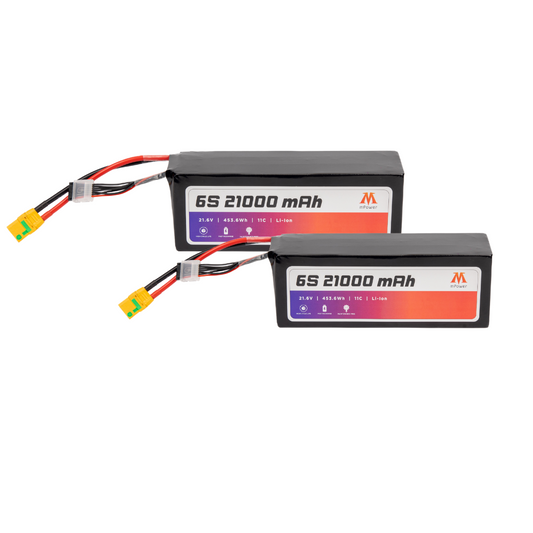
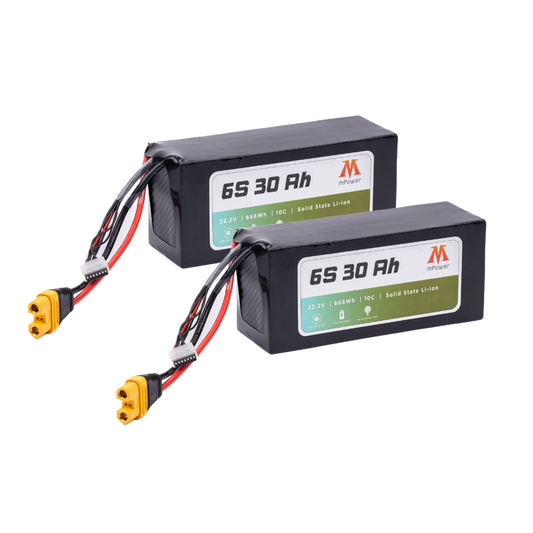
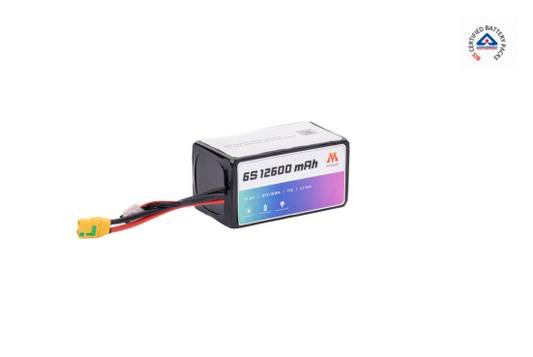
A weak Drone Battery can interrupt a spraying mission and force an unsafe landing. That is why mPower focuses on batteries designed for demanding agriculture, survey, surveillance, mapping, and delivery drone use.
Battery and Maintenance Records
Professional operators should maintain a simple logbook. It does not need to be complicated. It only needs to be regular.
Record the flight date, location, pilot name, crop type, area covered, battery used, charging cycle, maintenance work, and any issue noticed during the mission.
Good records help identify patterns. If one battery drains faster than others, it can be removed from important missions. If one motor uses more power, the drone can be inspected before a failure happens.
Using reliable Drone Batteries and tracking their performance can reduce downtime and improve safety during farm operations.
Common Mistakes to Avoid
Many drone problems happen because operators rush. Agriculture work often happens under time pressure, especially during spraying seasons. But shortcuts can create expensive mistakes.
Avoid flying without checking airspace. Do not use an untrained pilot for commercial work. Never ignore wind speed. Do not overload the spray tank. Do not fly with damaged propellers. Do not use weak batteries for large fields.
A good operator plans the mission before reaching the farm. This saves time, improves safety, and creates a more professional experience for farmers.
How Compliance Helps Business Growth
Farmers want results, but they also want trust. A professional drone operator who follows rules, uses trained pilots, maintains records, and works with reliable Drone Battery systems can stand out in the market.
Compliance also helps when working with larger agriculture companies, FPOs, government-backed programs, and commercial farm projects. These clients often prefer operators who can show proper documents and safe work practices.
Conclusion
DGCA drone rules are not meant to stop agriculture drone growth. They are meant to make drone operations safer, more organised, and more trusted. For agriculture drone operators in India, 2026 is a time to work more professionally, with proper registration, trained pilots, airspace checks, safe field routines, and strong equipment care.
A successful agriculture drone mission depends on many things working together. The drone must be legal. The pilot must be trained. The field must be checked. The battery must be reliable. When all these pieces are in place, drone spraying and farm mapping become safer, faster, and more useful for farmers.
Ready to power your agriculture drone operations with reliable Drone Batteries? Contact mPower today!