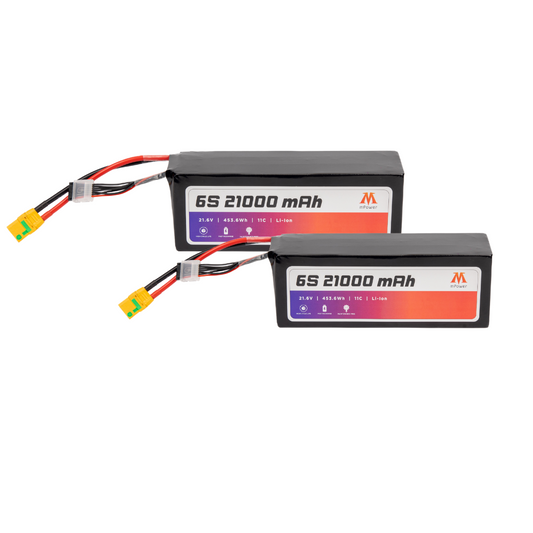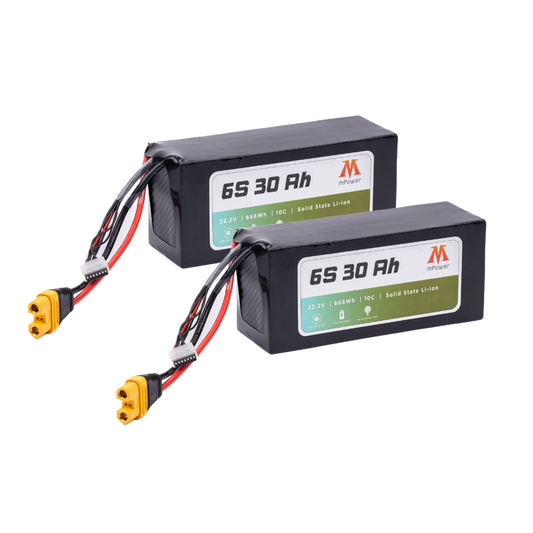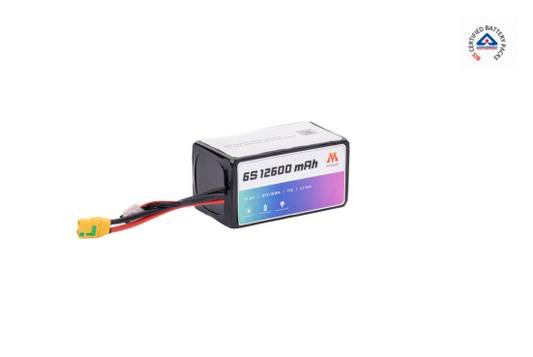


Agriculture drone battery charging is not just about plugging in the charger and waiting for the pack to fill up. It starts with using the right charger, checking the battery for heat, swelling, damage or loose connectors and charging it in a clean, dry, well ventilated space.
In agricultural spraying, the battery does a lot of heavy work. It powers the drone through liquid payloads, repeated take offs, motors, pumps, controllers and long hours in the field. One careless charging habit can reduce flight time, disturb spray flow or create safety risks. The good part is that safe charging is not complicated. It only needs the right routine, followed every time.
Why Charging Matters in Agriculture Spraying
Agricultural spraying drones need to go fast and wide, repeat flight cycles during critical small spray times and be productive day in, day out. Tank size, spray width or automation may drive operator decisions first. But, in a typical farm field operation, the battery actually dictates the flow of the day.
mPower designs and manufactures a complete lithium battery and power solution for the real farming world of dust, heat, humidity and frequent, intense cycles. Recharging Properly can make your drones keep the same steady power for all spray cycles as they do the first few.
Start with a Compatible Charger for Your Agriculture Drone Battery
A drone battery should always be charged with a charger which matches its voltage, series configuration, connector type and charging requirement. Using the wrong charger can affect cell balance, increase heat or reduce battery life.
Before connecting the charger, check
- Battery voltage and series configuration
- Charger rating and connector match
- Charging cable condition
- Plug fitment and contact points
- Any visible damage on the pack
A compatible charger supports safe and steady charging. It also protects the internal cells from uneven stress, which is important for commercial spraying operations.
Let the Battery Cool After Flight
Agriculture spraying drones work harder than many other drone types. They carry liquid payloads, fly in open fields and often operate in hot weather. After landing, the battery may still be warm from powering motors, pumps and controllers.
Do not charge the pack immediately after a demanding flight. Let it rest until it reaches a safer temperature. This helps manage heat buildup and supports long term battery performance.
This is especially useful for operators using the best drones for agriculture spraying, where multiple sorties may be completed within a limited field window.
Inspect Before Every Charge
Before charging, check the battery body, connector, wires and terminals. This should become a routine step.
Look for
- Swelling or shape change
- Cracks, dents or casing damage
- Burn marks near connectors
- Loose wires or unstable plug connection
- Excessive heat after flight
- Unusual smell or leakage
If anything looks abnormal, do not charge or fly the battery until it is checked properly. For teams running multiple spraying drones, inspection should be part of daily battery management.
Avoid Draining the Battery Too Low
Trying to squeeze one more round from a weak battery may seem practical during fieldwork, but it can shorten battery life. Deep discharge puts stress on the cells and may reduce future flight time.
Plan spraying work based on realistic battery limits, payload weight, field size and operating temperature. When the battery reaches its safe limit, replace it with a charged pack instead of forcing another flight.
An agriculture drone battery performs better when it is charged, used and rotated within safe operating limits.
Charge in the Right Environment
Charging conditions matter, especially in Indian farming environments. Direct sunlight, dust, moisture and unstable power can affect safety and performance. A shaded, dry and ventilated charging space is better than charging batteries in the open field without protection.
A safe charging area should have
- Good airflow
- Protection from direct sunlight
- Dry surroundings
- Stable electrical connection
- Space between batteries
- Easy visibility for monitoring
Do not stack batteries while charging or cover them with cloth, bags or packaging material. Heat must move away from the battery. Also, do not leave charging completely unchecked. If the pack becomes unusually hot, the charger behaves differently or there is any smell, stop charging and inspect the setup.
Understand the Role of mPower BMoS
mPower battery packs are supported by a tuned battery management system. This helps monitor charging cycles, temperature and cell balance. For agriculture spraying, this matters because the battery faces repeated charging, heavy power demand and long working hours.
A good BMoS helps protect both the battery and the drone. It supports safer charging and more predictable performance over time. Still, a BMoS is not a replacement for careful handling. Operators should follow proper charging habits every day.
Plan Charging Around Field Work
Spraying work often depends on weather, wind, crop stage and available time. Charging should be planned around the job, not rushed during the job.
Before heading to the field, decide how many batteries are needed, which packs will be used first, when each pack will rest, how charging will be rotated and which batteries are kept as backup.
This helps operators get steady use from the best drones for agriculture spraying without putting unnecessary pressure on the batteries.
Store Batteries Safely After Charging
Safe battery care continues after charging. Once the work is done, allow packs to cool, check for damage and store them in a dry, safe place. Avoid hot vehicles, direct sunlight, wet surfaces and loose metal objects near terminals.
Good storage keeps the battery ready for the next working day and reduces long term performance decline.
Conclusion
Charging an agriculture drone battery safely starts with the basics. Use the right charger. Let the battery cool. Check the pack before use. Avoid draining it too low. Rotate batteries properly during fieldwork.
With safe charging habits, operators can protect their drones, reduce downtime and maintain dependable spraying performance across daily field operations.
Need reliable lithium battery solutions for your agriculture drone?
Visit mPower Lithium for custom specific drone batteries, corporate orders and expert support built for real farming applications.