

India is no longer just watching the drone revolution; in fact, it’s leading it. From spraying crops to mapping villages, drones are fast becoming essential tools in agriculture, logistics, and public service. And what’s fueling this shift isn’t just technology; it’s policy.
Thanks to forward-thinking government initiatives, drones are becoming more affordable and accessible for everyday Indians. Let’s explore how.
Changing the Game with Subsidies and Support
Until a few years ago, buying a drone meant shelling out lakhs, making it an impossible dream for small farmers or local businesses. Today, that’s changed.
Government subsidies now cover up to 75% of the drone cost for Farmer Producer Organizations (FPOs), cooperatives, and even individual entrepreneurs. Under schemes like the Sub-Mission on Agricultural Mechanization, access to drone tech is no longer limited to big companies or city-based startups. It’s reaching the grassroots.
This move is not only boosting rural productivity, but it’s also inspiring a new generation of drone-savvy entrepreneurs.
Meet the Namo Drone Didi Scheme
One of the standout policies in this wave is the Namo Drone Didi Scheme. Launched with a vision to empower rural women, this initiative enables them to become certified drone pilots and service providers within their communities.
Through financial support, training, and access to drones, these “Drone Didis” are rewriting what rural entrepreneurship looks like. Whether it's spraying pesticides, monitoring crops, or supporting health campaigns, their impact is real and visible.
What’s brilliant about the Namo Didi Drone Scheme is that it puts power, both literally and figuratively, into the hands of women who were never part of the tech conversation before.
Building Drone Entrepreneurs, Not Just Operators
This isn’t just about flying machines. With the Namo Drone Didi Scheme, the government is establishing a framework that supports the development of full-fledged drone businesses.
Women participating in the Namo Didi Drone Scheme get access to DGCA-approved training, drone financing options, and real work opportunities in their regions. The aim is clear: enable women to earn independently while serving their communities.
And it’s working. From Punjab to Telangana, thousands of women are now running drone spraying operations and earning a sustainable income. It’s not just empowerment; it’s transformation.
What This Means for India
When you combine smart policy with strong execution, things move fast. India’s drone policies are not just tech-focused; they’re people-focused.
We’re now seeing:
- Drones being used in large-scale agricultural spraying campaigns
- Local governments using drones for mosquito control and public health
- Youth and women stepping into the drone workforce
- Startups building drone innovation hubs with government backing
The future of Indian skies isn’t just about surveillance or delivery. It’s about empowering every citizen with the tools they need to work smarter and safer.
Key Government Drone Schemes Driving Adoption in India
India’s drone ecosystem has expanded rapidly in recent years, supported by several government policies designed to encourage innovation, manufacturing, and large-scale adoption of drone technology. These initiatives aim to make drones more accessible for farmers, entrepreneurs, startups, and rural communities. By reducing costs and simplifying regulations, the government is accelerating the integration of drones into agriculture, infrastructure, and public services.
One of the most influential programs is the Sub-Mission on Agricultural Mechanization (SMAM). Under this initiative, the government provides financial assistance for the purchase of agricultural drones used for crop spraying, crop monitoring, and field data collection. Farmer Producer Organizations (FPOs), cooperatives, and rural entrepreneurs can receive subsidies covering a large portion of the drone cost. This support has helped small and medium farmers access technology that was once considered expensive.
Another major initiative is the Namo Drone Didi Scheme, which focuses on empowering women in rural areas. Through this program, women receive training to operate drones and are supported in establishing drone-based service businesses within their communities. These trained operators provide services such as pesticide spraying, crop health monitoring, and field surveying. The program not only promotes drone adoption but also creates sustainable livelihood opportunities for women in agriculture.
The Drone Rules 2021 introduced by the Government of India have also simplified the regulatory framework for drones. Licensing processes have been streamlined, approval timelines have been reduced, and the number of compliance requirements has been minimized. This has encouraged more startups and service providers to enter the drone sector.
Additionally, initiatives like Startup India and the Production Linked Incentive (PLI) scheme for drones support domestic manufacturing and technological development. These programs encourage companies to design and produce drones and drone components within India, strengthening the country’s drone ecosystem.
Together, these schemes are transforming how drones are used across sectors and making advanced aerial technology more accessible across the country.
How to Apply for Drone Subsidy in India
Government subsidies have made it significantly easier for farmers and rural entrepreneurs to adopt drone technology for agricultural operations. These subsidies reduce the cost of purchasing drones and encourage the use of modern tools for crop monitoring, spraying, and farm management. Understanding the application process helps farmers take advantage of these financial benefits.
The first step in applying for a drone subsidy is identifying the relevant government scheme. The most widely used program for agricultural drones is the Sub-Mission on Agricultural Mechanization (SMAM). This scheme offers financial assistance to Farmer Producer Organizations (FPOs), cooperatives, rural entrepreneurs, and in some cases individual farmers for purchasing agricultural drones.
Applicants typically begin the process through their state agriculture department or official government portals related to farm mechanization programs. Some states also coordinate with agricultural universities or authorized agencies that manage drone distribution and training.
Basic documentation is required during the application process. This may include identity proof, land ownership or farming activity details, bank account information, and sometimes organizational documents if the application is submitted by a Farmer Producer Organization or cooperative group.
After submitting the application, government authorities review the documents and verify eligibility criteria. Once approved, the applicant receives confirmation of the subsidy amount. In many cases, the subsidy covers a substantial percentage of the drone cost, while the remaining amount must be paid by the applicant.
Training is also an important part of the process. Many subsidy programs require applicants to complete DGCA-approved drone pilot training to ensure safe and responsible drone operations.
With simplified regulations and financial support now available, the drone subsidy process has become more accessible. These initiatives are helping farmers modernize their operations while improving efficiency and productivity in agriculture.
Powering the Drone Revolution with mPower Batteries
Of course, none of these drones can do their job without one critical thing: reliable battery power.
That’s where mPower Batteries steps in.
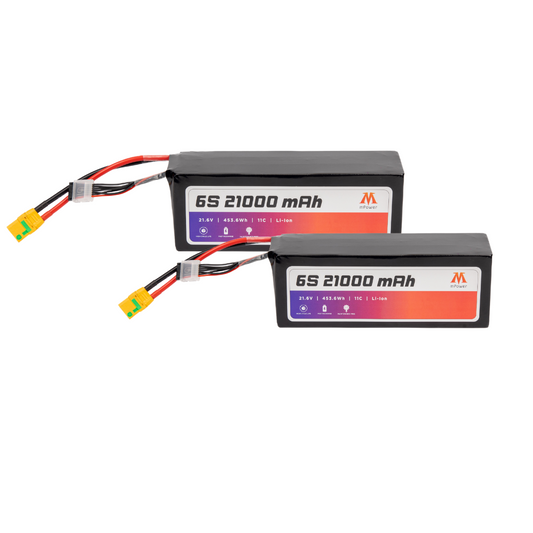
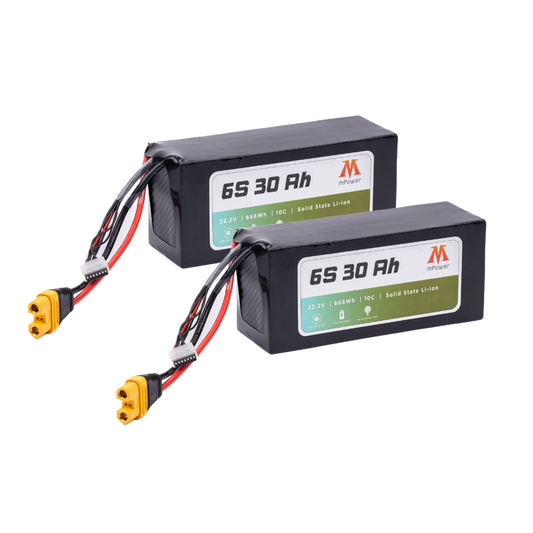
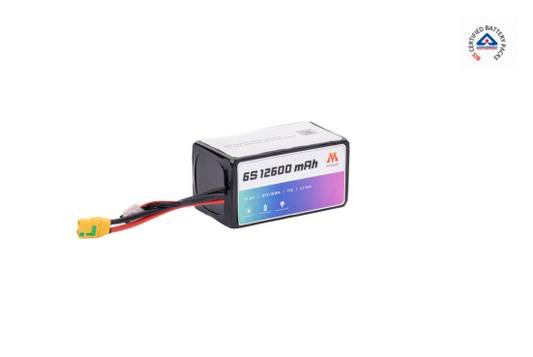
As more people take advantage of the Namo Didi Drone Scheme, they need batteries that can keep up with their missions. mPower batteries are designed to deliver high-performance, long-endurance energy, perfect for agricultural use, aerial mapping, and other professional drone applications.
Whether you’re just starting your drone business or scaling up operations, mPower gives you the confidence to fly longer, safer, and smarter.
Final Word
India’s drone journey is just taking off, and it’s one powered by purpose, policy, and people. With visionary schemes like the Namo Drone Didi Scheme, the sky is no longer the limit; it’s the new workspace.
And for every flight, there’s a battery making it possible. Choose mPower, and keep your mission flying high.