

Lithium-ion battery for drones remains the most practical power source for Indian drone operations, while hydrogen fuel cells are better suited for long-endurance and heavy-lift missions. From agricultural spraying and land mapping to pipeline inspections and remote deliveries, drones rely heavily on efficient energy systems to perform consistently in real-world conditions. As operational demands grow across industries, the comparison between these two technologies becomes more relevant so which one truly defines the future of drone power in India?
For years, lithium‑ion batteries have been the standard, powering the majority of civilian and light commercial drones. Yet, with industrial, agricultural, and defense operations demanding longer flight times and heavier payloads, hydrogen fuel cells are emerging as a high endurance alternative. Understanding the role of both technologies is key to grasping the future of drone power in India.
Lithium‑Ion Batteries: Powering Everyday Drones
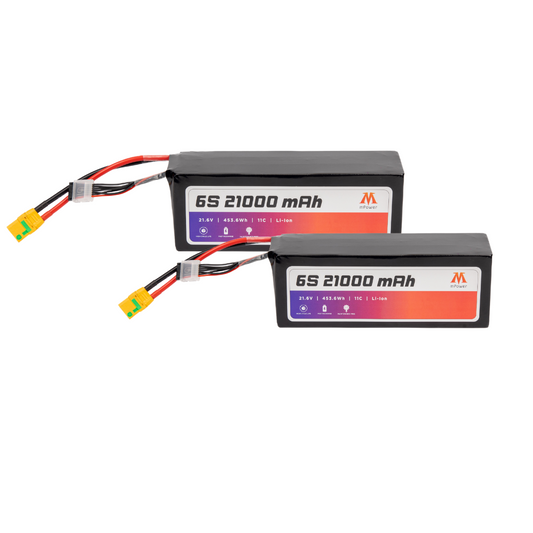
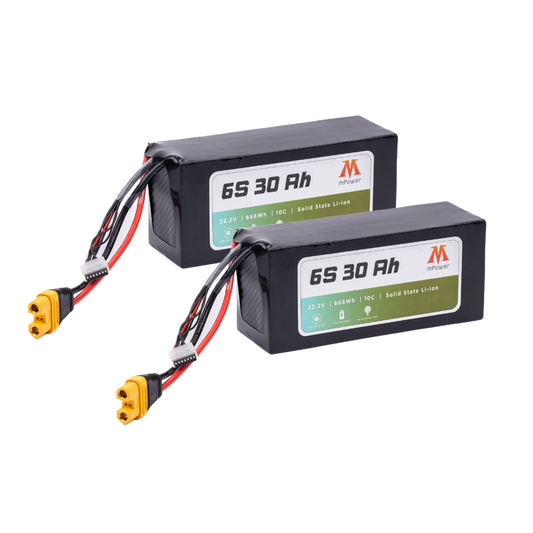
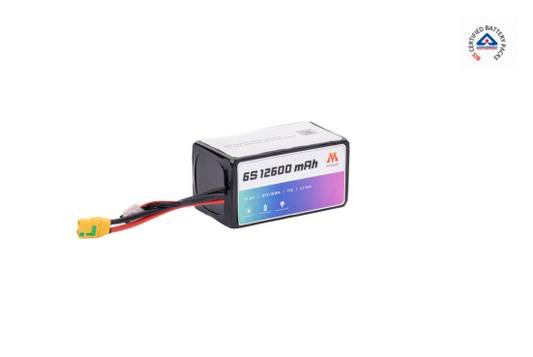
Lithium-ion batteries remain the most widely used power source for drones in India due to their affordability, availability, and ease of use. They are well-suited for short-range and light commercial UAV operations, offering reliable energy output and minimal operational complexity. With accessible replacement options, including the ability to order a lithium ion battery online, operators can maintain consistent fleet performance with limited downtim
Applications of Lithium‑Ion Battery Drones:
- Aerial photography and videography
- Mapping and surveying
- Urban deliveries
- Light agricultural operations
Why They Work Well:
- High power density ensures stable energy output
- Widely available and established charging infrastructure
- Easy replacement and backup availability
- Proven performance with mPower battery solutions
Limitations:
- Flight times typically range from 20 to 60 minutes
- Frequent charging cycles reduce overall lifespan
- Energy-to-weight ratio limits heavier payload operations
- Downtime for battery swaps can impact efficiency
Despite these limitations, lithium ion battery drones remain cost-effective, practical, and accessible, making them the backbone of India’s civilian and commercial drone operations.
Hydrogen Fuel Cells: Long-Endurance and Heavy-Lift Capabilities
Hydrogen fuel cells enable drones to fly for longer periods because they produce electricity through a chemical reaction that occurs between hydrogen and oxygen. The process generates water vapor as its only output while producing energy that exceeds the capacity of lithium-ion batteries. Hydrogen-powered drones can fly for extended periods while transporting heavier loads which makes them ideal for use in industrial and military operations.
Applications of Hydrogen-Powered Drones:
- Industrial inspections of pipelines, power lines, and infrastructure
- Large scale agricultural spraying
- Long range logistics and deliveries
- Defense and surveillance operations
Advantages:
- Flight endurance ranges from 2 to 5+ hours, enabling long-range missions
- Refueling takes only minutes, reducing downtime
- Supports higher payload capacity for demanding operations
- Produces zero emissions with quieter performance
Challenges:
- Specialized storage and handling required for safety
- Refueling infrastructure is still developing in India
- Higher upfront investment compared to lithium‑ion systems
The Hydrogen fuel cells are more suitable for applications that need long flight duration, better efficiency and higher lift capability. These are best suited for high end industrial, agricultural and defense purposes.
Comparing Lithium‑Ion and Hydrogen Fuel Cells
The Indian drone industry requires both hydrogen fuel cells and lithium-ion battery systems to operate effectively. The operational needs of daily activities depend on lithium-ion technology while hydrogen fuel cells provide solutions for extended flight times and greater payload capabilities.
|
Feature |
Lithium‑Ion Battery |
Hydrogen Fuel Cell |
|
Flight Endurance |
20–60 minutes |
2–5+ hours |
|
Refueling / Charging |
Hours for charging |
Minutes to refuel |
|
Payload Capacity |
Low to moderate |
High (5–10kg+) |
|
Energy-to-Weight Ratio |
Limited |
Superior |
|
Infrastructure |
Mature, widely available |
Developing |
|
Cost |
Lower upfront |
Higher initial investment |
Lithium‑ion drones excel in urban, light commercial, and consumer operations, while hydrogen fuel cell drones are built for long-range, industrial, and defense missions.
India’s Drone Landscape: Complementary Roles
India’s drone ecosystem is evolving into a hybrid model where both technologies coexist to address different operational requirements.
Lithium‑Ion for Short-Range Missions:
- Commercial drones for mapping, delivery, and inspections
- Fast replacement and shipping lithium ion battery for drones online
- mPower battery solutions for reliable performance
Hydrogen Fuel Cells for Long-Range Missions:
- Commercial, agricultural and military application that need longer flight duration
- Minimal Downtime with Speedy Refueling
- Zero-emission technology aligns with corporate sustainability goals
Hybrid Innovations:
Some advanced systems combine lithium-ion batteries with hydrogen fuel cells to balance high take-off power with extended flight endurance. These hybrid models are particularly effective for Beyond Visual Line of Sight (BVLOS) operations and industrial logistics.
This gives operators the flexibility to select the most suitable solution as per the mission need, thus transforming the Indian drone industry into more dynamic, and more capable.
The Road Ahead: Strategic Choices
The future of drone power in India will depend on use-case-driven adoption. The mission requirements of an operation will determine which battery type between lithium-ion batteries and hydrogen fuel cells will be used for different mission profiles. The development of both technologies will create an efficient and scalable drone system.
As the Hydrogen production and battery technologies evolve, it's safe to assume India could emerge as a major force in the high endurance drone space while maintaining sustainability and economic feasibility in its operations.
Conclusion
Lithium-ion batteries remain essential for most civilian drone operations, while hydrogen fuel cells are better suited for high-endurance and heavy payload missions. For reliable performance, mPower offers high-quality lithium ion battery for drones and lithium ion battery online solutions designed for efficiency and durability.
Looking to improve flight performance with the right power solution? Contact us today!