

Winter creates a magical experience for drone operators because the season provides clear skies, low thermal disruption and exceptional aerial photography opportunities. The beautiful winter scenery contains a concealed threat which causes extreme cold temperatures to hinder battery functionality. The common practice of drone pilots charging their batteries after bringing them inside from cold temperatures leads to battery life reduction, performance decline and safety hazards.
People need to study cold-weather charging science because it provides essential knowledge. This guide gives information about winter drone operations which include common errors, effective methods, field-tested solutions and specific instructions for how to charge drone battery in cold conditions.
Why Cold Temperatures Are Dangerous for LiPo Batteries
Temperature extremes can have an adverse effect on Lithium-ion and LiPo batteries. Cold weather effects on battery chemistry include:
- Slow Chemical Reactions: Due to the lower temperature, the batteries will not charge efficiently when it is below zero. The result of the decreased efficiency is the presence of unevenly charged cells with unequal voltage.
- Reduced Output Capacity: Cold batteries produce significantly less output power and may also lead to a decrease in flight performance that is greater than what was expected.
- Increased Internal Resistance: Cold temperatures can cause increased internal resistance in battery cells. As a result, rapid charging of a battery can cause heat to build up in the cells. This can also produce stress and/or damage to the battery.
- Structural Damage: Charging an already frozen or near-frozen battery can damage the battery permanently or create an internal short circuit.
As such, the drone's battery will seem "fully charged" but may have an unexpected performance reduction in mid-flight or more seriously, an unsafe condition due to insufficient battery charging methods.
The Structural Trap: Charging Cold Batteries
Many pilots fall into what we call the “structural trap”: the instinct to charge the battery immediately after removing it from a cold environment. The issue lies in the temperature gradient between the cold battery and a warm charging environment:
- The charging process for cells leads to uneven results because some cells experience overheating while other cells stay undercharged.
- The internal pressure of a system can rise to dangerous levels which leads to either swelling or leaks.
- The battery performance of a device will experience permanent damage after it undergoes multiple times of this testing pattern.
- The safe operation of drones during winter requires knowledge about this specific trap according to the study.
Understanding this trap is crucial for safe winter drone operations.
Best Practices for Charging in Cold Weather
Proper winter charging routines ensure safety and battery longevity. Here’s a step-by-step guide on how to charge drone battery packs effectively in cold conditions:
1. Warm the Battery First
- Allow batteries to reach room temperature before charging.
- Avoid placing batteries on heaters or open flames; instead, use a warm, insulated room or a battery warming bag.
- Target a temperature range of 20–25°C (68–77°F) for optimal charging.
2. Inspect Batteries for Damage
- Cold temperatures can exacerbate small cracks or swelling.
- Check the battery casing, connectors, and cells before connecting to a charger.
- Do not charge if you notice swelling, unusual odors, or discoloration.
3. Use a Compatible, Intelligent Charger
- Ensure your charger is compatible with your battery type and voltage.
- Prefer chargers with cell balancing and temperature monitoring features.
- Avoid rapid charging in winter; slow, steady charging reduces thermal stress.
4. Charge on a Non-Flammable Surface
- Even at low temperatures, batteries can generate heat.
- Place the battery on ceramic, metal, or fire-resistant surfaces.
- Keep a LiPo-safe bag or fire extinguisher nearby for safety.
5. Monitor Voltage and Temperature
- Check individual cell voltages during the charge cycle.
- Observe battery temperature: it should rise gradually, not spike.
- Stop charging immediately if the battery becomes excessively hot or shows signs of swelling.
Mid-Flight Tips for Winter Pilots
Proper charging is only half the battle. Cold weather affects flight performance as well:
- Preheat batteries by storing them in insulated packs or thermal sleeves during flight prep.
- Monitor battery voltage closely; don’t push packs to full discharge.
- Schedule shorter flights if temperatures are extremely low.
By combining safe charging and flight practices, pilots can maintain performance without risking damage or safety.
Why Quality Batteries Make a Difference
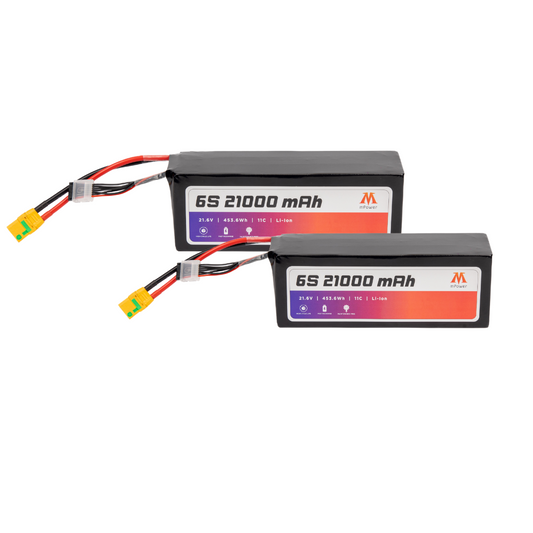
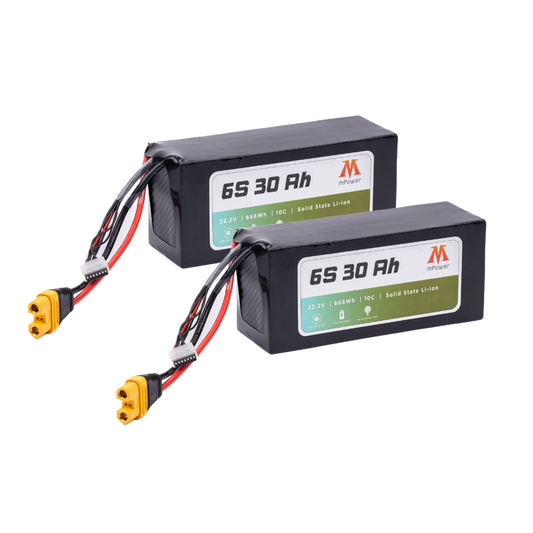
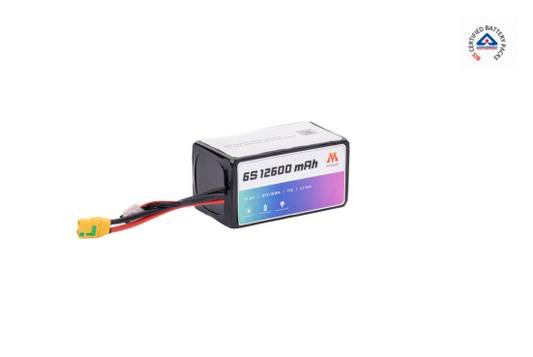
Investing in high-quality, professionally engineered batteries—like those from mPower—reduces winter risks:
- Advanced thermal management: Keeps cells safer during cold-weather operations.
- Robust casing: Protects against cold-induced micro-cracks or stress.
- Intelligent Battery Management Systems (iBMS): Monitors temperature and voltage in real-time, preventing unsafe charging scenarios.
Using premium batteries ensures safer, more reliable winter flights and allows pilots to focus on the mission rather than battery anxiety.
Quick Checklist for Winter Charging
- Take the cold battery out of an environmental unit and let it warm up to room temperature.
- Verify battery pack and connections for damage or corrosion.
- Connect the battery to a smart charger on a non-flammable surface.
- Keep track of voltage and temperature while charging.
- Before flying, place a fully charged battery in a dry, insulated storage unit.
By following this checklist, you'll have a happy, secure and stress-free winter operation experience.
Conclusion
Drone operators face concealed dangers during cold weather because they must charge their batteries after their equipment has been exposed to low temperatures. Safe winter charging procedures for drone battery packs should be understood because this knowledge will help protect equipment from damage and minimize safety risks while maintaining operational performance.
When pilots warm batteries through intelligent chargers, proper handling and storage methods they achieve maximum battery life but they also avoid the common winter structural trap that ensnares many drone enthusiasts.
High-quality batteries from mPower with proper thermal management and iBMS monitoring provide both safety, reliability and uninterrupted performance throughout all temperature ranges.
Ready to fly safely this winter? Contact us today!