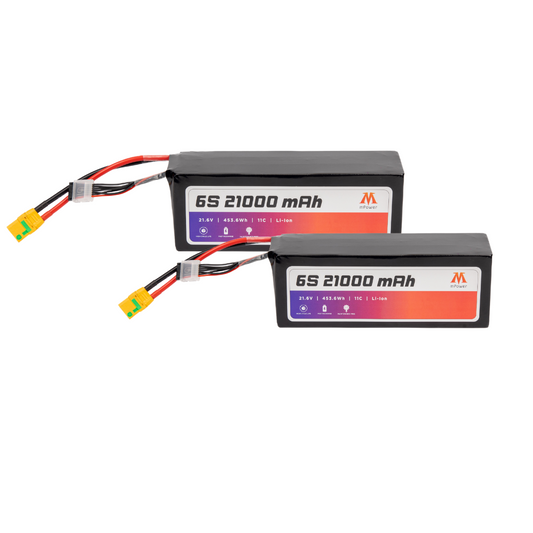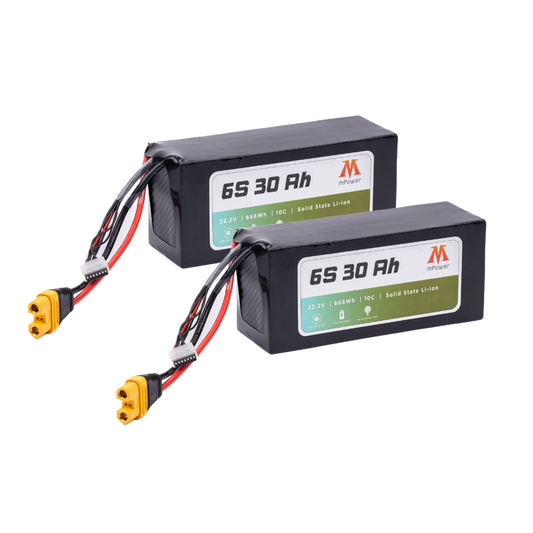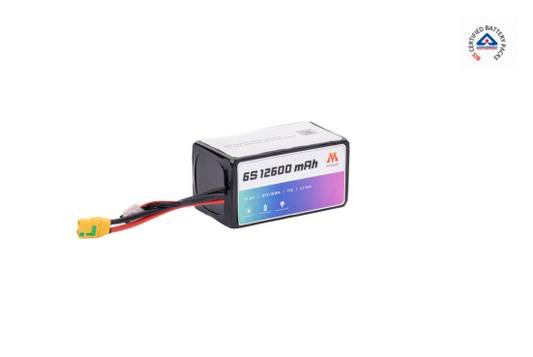


Drone soccer combines speed, control, teamwork and engineering inside an enclosed arena. Players guide protected drones through goals while reacting to collisions and sudden direction changes. For teams in Singapore, reliable power is central to every match. A suitable drone battery must support responsive flight, manageable weight, safe charging and repeated use. mPower Lithium’s application focused approach shows why teams should evaluate voltage, capacity, discharge demand, connector type, dimensions, chemistry and operating conditions instead of choosing a pack only for its higher capacity.
Why Power Matters in Drone Soccer
Drone soccer involves repeated acceleration, braking, turning and climbing. The aircraft must carry its frame, protective cage, motors, electronics and power pack while responding quickly to the pilot.
mPower advises users to evaluate the complete application before selecting drone batteries. Important factors include the manufacturer’s recommendation, voltage, cell count, capacity, C-rating, dimensions, connector, polarity, charger compatibility and permitted weight.
For a soccer team, the goal is not to fit the largest possible pack. It is to find a balanced configuration that works with the motors, frame and style of play.
Matching the Pack to the Aircraft
Every drone platform has specific electrical and physical requirements. Teams should begin with the specifications recommended by the manufacturer.
The nominal voltage and series configuration must match the aircraft. mPower’s catalogue includes options such as 3S, 4S, 6S, 12S and 14S. However, availability does not automatically mean compatibility.
The connector and polarity must be correct, and the pack should fit securely within the mounting space. Weight also needs attention. A heavier unit may store more energy, but the added mass can increase propulsion demand and influence manoeuvrability.
Capacity Is Only Part of the Decision
Battery capacity indicates how much energy a pack can store, but it does not independently determine how well a drone will perform.
Discharge capability is equally relevant. Fast changes in speed and direction can create changing electrical loads. The chosen drone battery should support the required discharge demand without being operated outside its intended limits.
A pack developed for a survey, delivery, surveillance or agricultural drone should not automatically be transferred to a sports platform. It must be checked against the soccer drone’s electrical, physical and operating requirements.
Selecting the Right Chemistry
mPower works with lithium-ion, lithium-polymer and solid-state technologies, along with customised battery solutions. Each chemistry can suit different requirements, so the choice should be based on the aircraft rather than the assumption that one option is always better.
mPower evaluates the intended application before recommending a chemistry or configuration. This approach can help teams building their own platforms or standardising aircraft for training.
The available mounting space, total weight, discharge performance, charger compatibility and operating conditions should all be considered.
Cooling and Charging Between Matches
Repeated rounds create a demanding operating cycle. A pack may be discharged during a match, removed, cooled, charged and prepared for later use.
mPower advises allowing a hot pack to cool before charging. Its also mentions a 40-minute cooling interval between charging cycles. Teams should confirm the correct process in the documentation supplied with the specific pack and charger.
Charging must use a compatible charger and suitable rate. Fast charging should only be used when both the battery and charger support it.
A well-managed event area should have a controlled charging station, clear pack identification and enough time for cooling and inspection.
Creating a Battery-Rotation System
A single pack should not be expected to handle an entire day of training and competition. mPower recommends rotating packs so that one unit is not repeatedly overworked.
Teams can number each pack, record its use and inspect it before the next flight. This makes it easier to identify reduced capacity, rapid discharge or inconsistent behaviour.
Maintaining several compatible drone batteries gives teams flexibility when matches are scheduled close together. Choosing and rotating drone batteries carefully also supports more organised preparation.
A planned rotation system prevents teams from rushing a hot or recently discharged pack back into service.
Safety Checks Before Flight
Drone soccer may involve contact, so inspection should be part of every turnaround. The pack and connections should be checked for swelling, leakage, impact damage or other visible concerns.
A damaged or degraded pack should be removed from service and professionally assessed. Terminals must be protected from contact with metal objects. Where appropriate, packs should be transported or stored in a protective battery bag or fire-safe container.
For longer storage, mPower recommends keeping the battery at the correct storage voltage in a cool, dry environment. Connector security and polarity should also be checked before powering the aircraft.
Teams should avoid using packs that show physical damage or a noticeable drop in performance. Continued use may create unnecessary risk for the aircraft, players and organisers.
Custom Solutions for Competitive Platforms
Standard products may suit many drones, but custom-built soccer aircraft can have unusual space, weight or electrical requirements. mPower provides customised solutions and works with OEM customers on application-specific development.
A custom project can consider dimensions, mounting fit, voltage, capacity, chemistry, connector type and discharge performance. This allows the power system to be developed around the aircraft rather than forcing the frame to accept an unsuitable pack.
Custom development may be relevant for schools, clubs, robotics programmes and manufacturers that want a consistent aircraft design across a team.
Any final configuration should be tested against the drone manufacturer’s requirements before use in training or competition.
Better Selection Supports Better Matches
Drone soccer in Singapore brings sport, engineering and practical UAV learning together. Behind every quick turn and successful goal is a carefully matched power system.
Teams should evaluate voltage, capacity, series configuration, discharge demand, dimensions, weight, connector, chemistry and charger compatibility. Safe cooling, charging, inspection and rotation should also be built into each event.
The objective is not simply to carry more stored energy. It is to maintain a power solution that supports responsive flying. With the right drone battery and disciplined handling, teams can prepare each aircraft for consistent performance.
Conclusion
Drone soccer places unique demands on every aircraft, from sudden acceleration to repeated charging and quick turnarounds. Reliable performance depends on choosing a power system that matches the aircraft’s design, electrical requirements and operating conditions.
Teams in Singapore can improve preparation by focusing on compatibility, weight, discharge capability, safe charging and inspection. A disciplined approach can support more consistent performance while reducing avoidable risks.
Building a drone soccer platform or looking for an application-specific power solution? Contact mPower Lithium to discuss your battery requirements.